

The Best Tea Gardens to Visit in Darjeeling
Darjeeling has 87 registered tea estates, and a handful welcome visitors for factory tours, tastings and even overnight stays. Here is how to choose between them.
Darjeeling's tea country at a glance
Tea arrived in Darjeeling in 1841, when Archibald Campbell, the East India Company's superintendent, planted experimental bushes near his house. The first commercial gardens followed in the 1850s, and today the Tea Board of India recognises 87 estates covering about 17,500 hectares as producers of Darjeeling tea, a protected geographical indication since 2004.
Most estates are working farms, not attractions. A few run regular factory tours or have converted planters' bungalows into guest houses, while others will show visitors round only by prior arrangement. Plan around the plucking calendar: factories are busiest and most interesting from March to November, and many slow down or close to visitors in the dormant winter months.
Estates worth visiting
Ownership, visitor arrangements and stay options at tea estates change. Contact the estate or its guest house before travelling.
Happy Valley Tea Estate
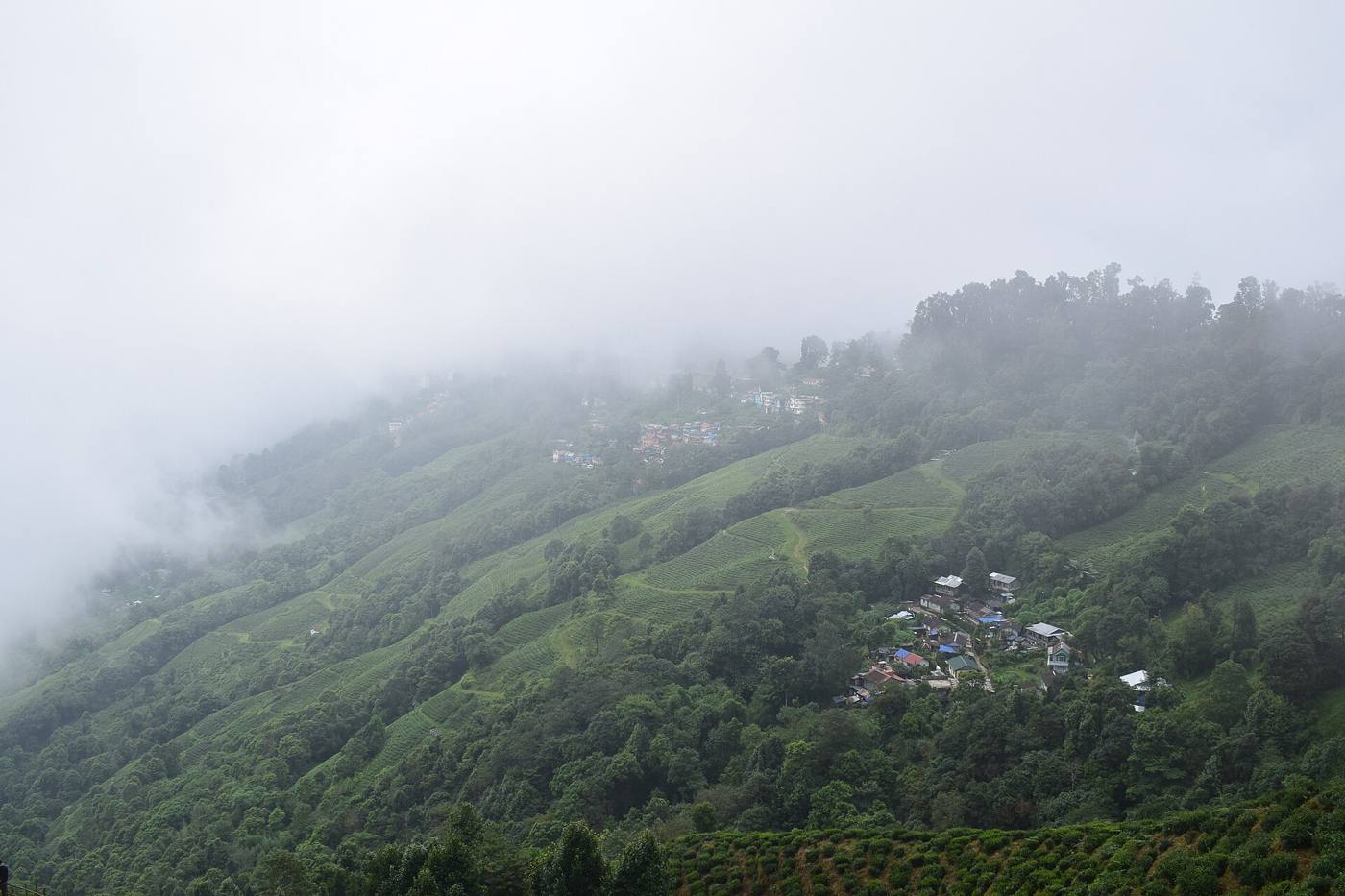
Founded in 1854 as Wilson Tea Estate, it is usually described as Darjeeling's second-oldest garden and sits at around 2,100 m below Hill Cart Road. Its closeness to town makes it the easiest estate for a short visit: walk down via Lochnager Road from Chowk Bazaar for a guided look at the factory and a tasting. It changed hands in late 2022 after a period of financial difficulty.
Makaibari
Makaibari, a few kilometres below Kurseong on the Pankhabari road, was owned for generations by the Banerjee family and became India's first certified organic tea estate in 1988. It is best known to travellers for its village homestay programme, in which tea workers' families host guests, with plucking, factory visits and tastings arranged through the homestay office.
Glenburn
Founded by a Scottish tea company in 1859 and run by the Prakash family, Glenburn is a working estate with a boutique retreat in restored planters' bungalows above the Rungeet river. Stays include tea walks, tastings and time in the factory. It is a splurge, and visits are for resident guests rather than drop-ins.
Castleton
Owned by the Goodricke Group since the 1980s, Castleton on the Kurseong slopes is celebrated for its muscatel second-flush teas, which have fetched record auction prices. Think of it as a name to look for in tea shops; it does not run a regular public visitor programme.
Margaret's Hope
Once called Bara Ringtong, the estate is said to have been renamed in memory of a manager's daughter, Margaret, who died on the voyage back to England. It is one of the more scenic gardens on the road between Kurseong and Darjeeling, and its teas are widely sold in town.
Goomtee and Jungpana
These two Kurseong neighbours share a history going back to the planter Henry Montgomery Lennox at the end of the 19th century. Jungpana is a revered name among second-flush enthusiasts; Goomtee has renovated a century-old planter's bungalow for guests.
Tumsong
Planted in the 1860s and today part of the Chamong group, Tumsong lies in a quiet valley south-east of Ghum. Its planter's bungalow operates as a tea retreat, offering walks through the garden and views across the hills on clear days.
Mim
Run by Andrew Yule & Co, a central public-sector company, Mim sits at around 1,500 m near Sukhia Pokhari and produces orthodox, oolong and white teas. It has a guest house and is a peaceful base for walks.
What a visit involves
A typical factory visit follows the leaf from the withering troughs, where fresh leaf loses moisture for many hours, through rolling, oxidation and drying, to sorting and grading. Tastings usually compare flushes or grades side by side, slurped from white porcelain cups in the style of professional tasters.
In the garden itself, early-morning plucking is the most photogenic sight. Pluckers, mostly women, take two leaves and a bud by hand and carry baskets slung from the forehead. Ask before photographing people, keep to paths between the bushes and never pick leaves yourself unless invited.
Choosing the right estate
- Short on time: Happy Valley Tea Estate is a walk from Chowrasta and fits into a half-day of sightseeing.
- Want to stay on a garden: Glenburn, Goomtee and Tumsong have bungalow stays; Makaibari and Mim have homestay or guest-house options.
- Serious tea drinkers: base yourself in Kurseong for access to Castleton, Margaret's Hope, Goomtee, Jungpana and Makaibari, then buy their teas in town.
- Combining with other sights: Tumsong and Mim pair well with Ghum, the Toy Train and Sukhia Pokhari; Makaibari with Kurseong's own heritage walk.
When to go
First-flush plucking runs from roughly March to April, and the second flush from about May to June, the best months to see factories in full swing. The monsoon flush (July to September) brings mist and lush gardens but slippery roads, while the autumn flush (October to November) coincides with the clearest mountain views. From December to February bushes are pruned and many factories are quiet.
Practical tips
- Most estates are on narrow, steep roads; hire a car with a local driver rather than self-driving.
- Wear shoes with grip. Garden paths are steep and can be muddy.
- Carry cash for tea purchases at small estate shops.
- Factory photography rules vary; ask first.
- Respect working hours. Factories are workplaces and visits may be cut short during peak manufacture.
Frequently asked questions
Which tea garden is closest to Darjeeling town?
Happy Valley Tea Estate, about 3 km from the town centre, can be reached on foot from Chowk Bazaar or by a short taxi ride.
Can I stay overnight on a tea estate?
Yes. Several estates, including Glenburn, Goomtee and Tumsong, offer bungalow stays, and Makaibari has a village homestay programme. Book well ahead for spring and autumn.
Do I need to book a factory tour?
For Happy Valley you can usually turn up during opening hours; for most other estates arrange a visit in advance through the estate or your accommodation.
Are tea gardens open in winter?
Gardens can be walked year-round, but plucking and manufacture largely stop from December to February, so factory visits are limited or unavailable.
Plan your visit
Happy Valley Tea Estate
Walk the tea rows and taste a fresh flush in the factory
Darjeeling Tea
The 'Champagne of Teas' grows on some of the steepest slopes on Earth. Walk the gardens, meet the makers and…

Darjeeling Tea Flushes Explained: First Flush, Second Flush and Beyond
Darjeeling tea changes with the seasons. Understanding the four flushes is the key to choosing a tea you will love…
August 2024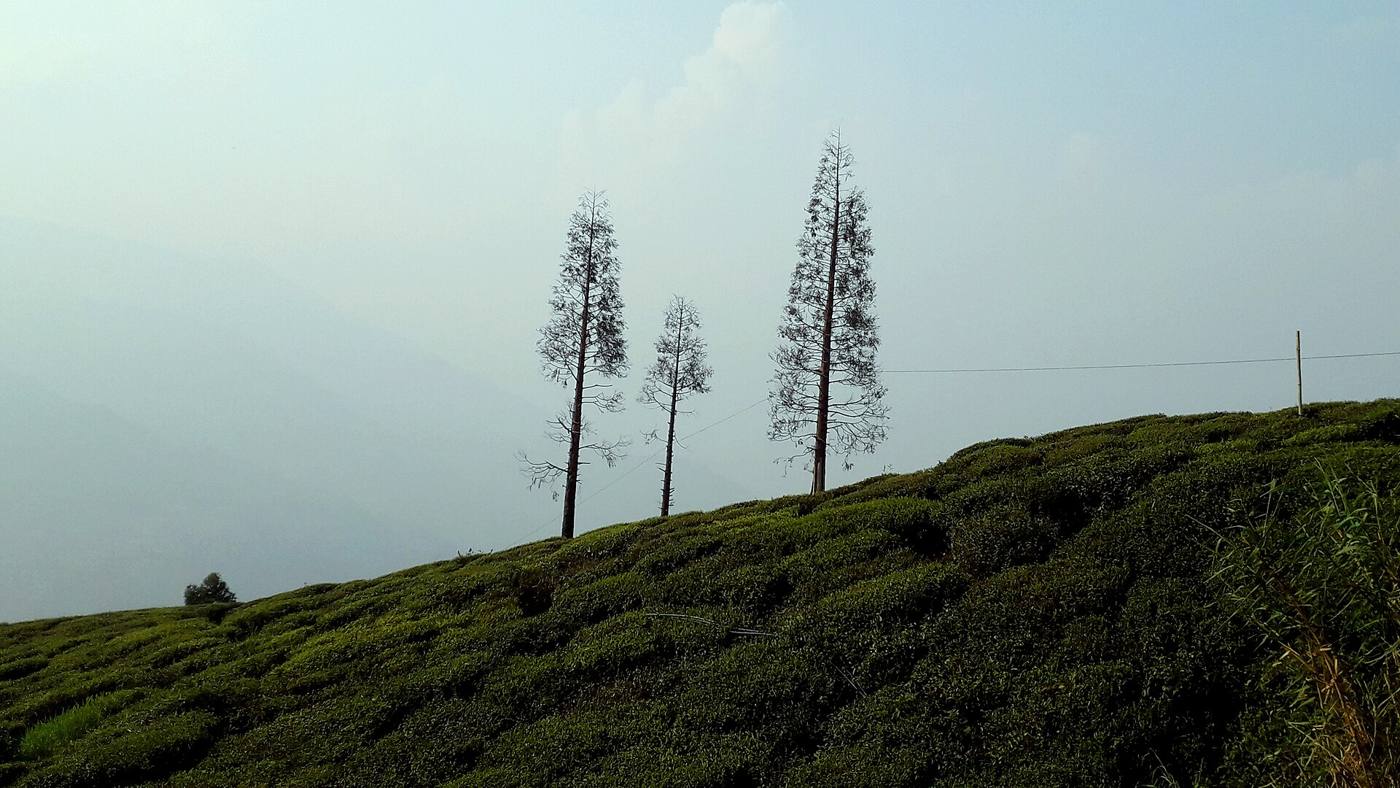
Mim Tea Garden: A Quiet Estate near Sukhia Pokhari
Tucked into the forested ridges west of Ghum, Mim is a small, unhurried tea estate where the main sounds are birdsong…
August 2024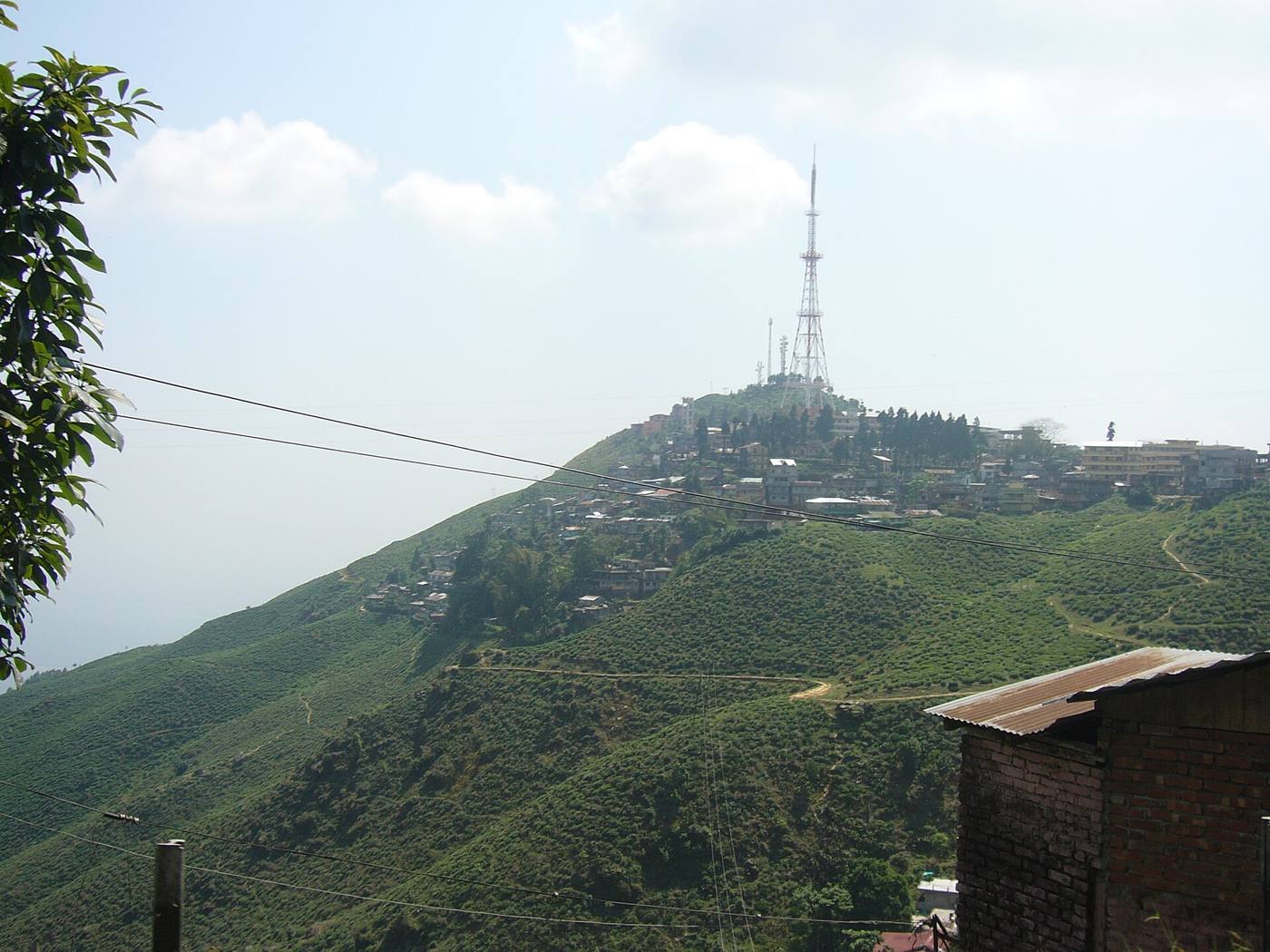
Kurseong
The 'land of the white orchid' and historic tea estates

Six Tips for Buying Genuine Darjeeling Tea
Far more tea is sold as Darjeeling around the world than the hills could ever produce. These six tips will help you…
August 2024