
Life & Society in the Hills
Schools, tea gardens, football, cafés and a fierce sense of identity. Understand everyday Darjeeling and travel more thoughtfully.
An education town
Since the 19th century Darjeeling has been one of India's great school towns. Institutions such as St Paul's School, St Joseph's College (North Point), Loreto Convent and Mount Hermon draw students from across India, Nepal, Bhutan and beyond. In term time you'll see students in blazers walking the steep lanes.
The tea economy
Around 87 tea estates operate in the Darjeeling hills, and tea remains a major employer alongside tourism, schools and government services. Plantation work is hard and wages are modest; buying directly from estates, paying fair prices and choosing certified or cooperative producers helps.
Identity and governance
The Darjeeling hills are part of West Bengal, with local affairs administered by the Gorkhaland Territorial Administration (GTA). The demand for a separate state of Gorkhaland, rooted in linguistic and cultural identity, is a significant political issue. Occasional strikes (bandhs) can disrupt transport; follow local news and your host's advice.
Everyday life
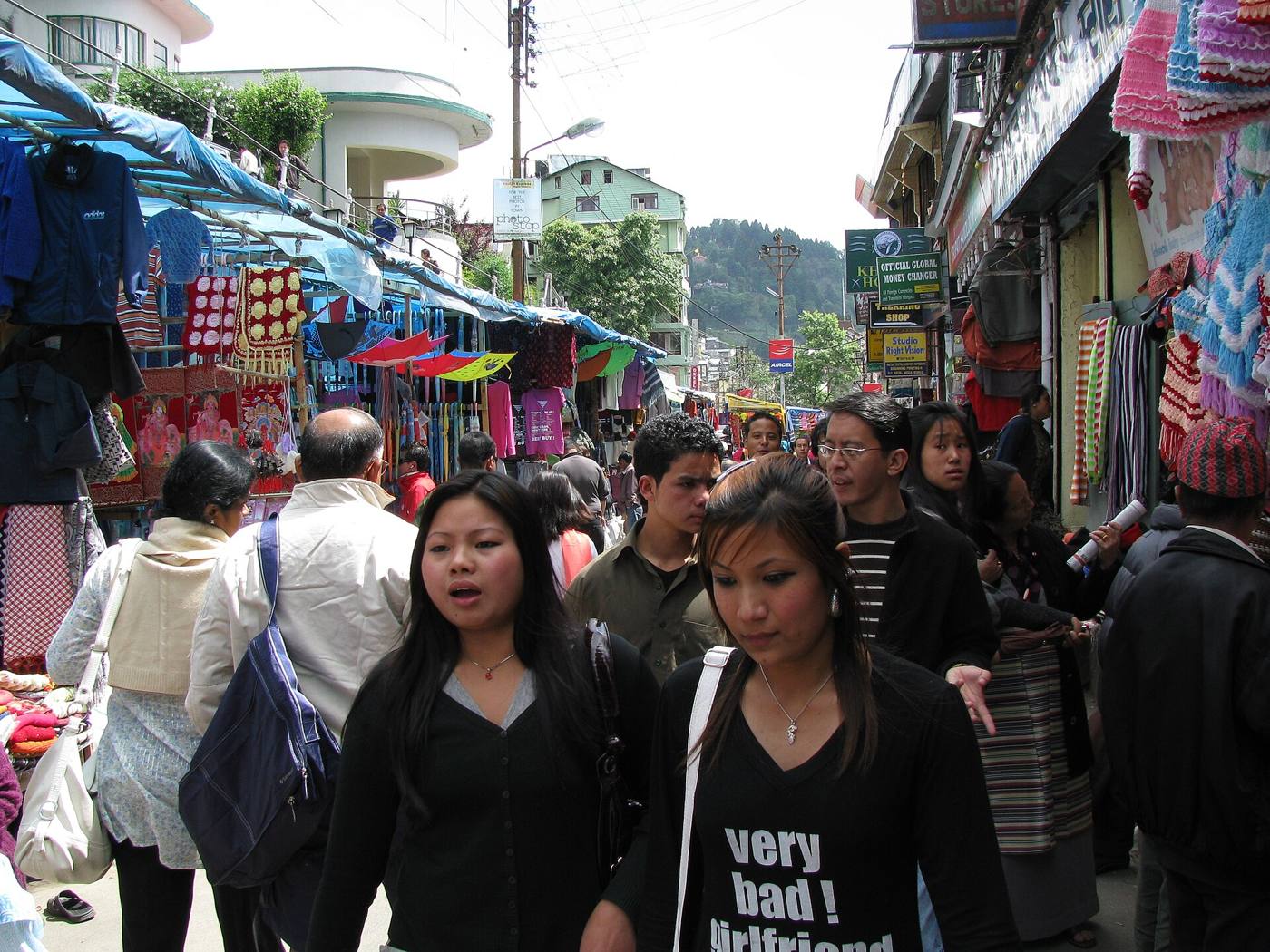
Life revolves around the steep lanes and stairways that connect the ridge to the bazaar below. Mornings start with tea, evenings with momos and conversation. Football is hugely popular, as are music and church choirs. Community organisations and youth clubs run everything from festival events to clean-up drives.
Travel responsibly
- Single-use plastics are restricted in the hills. Carry a reusable bottle and refill with filtered water at your hotel.
- Hire licensed local guides and stay in homestays to keep money in the community.
- Ask before photographing people, especially tea pluckers and monks.
- Water is scarce in the dry season; take short showers.
- Don't feed the monkeys on Observatory Hill.
Stories & guides
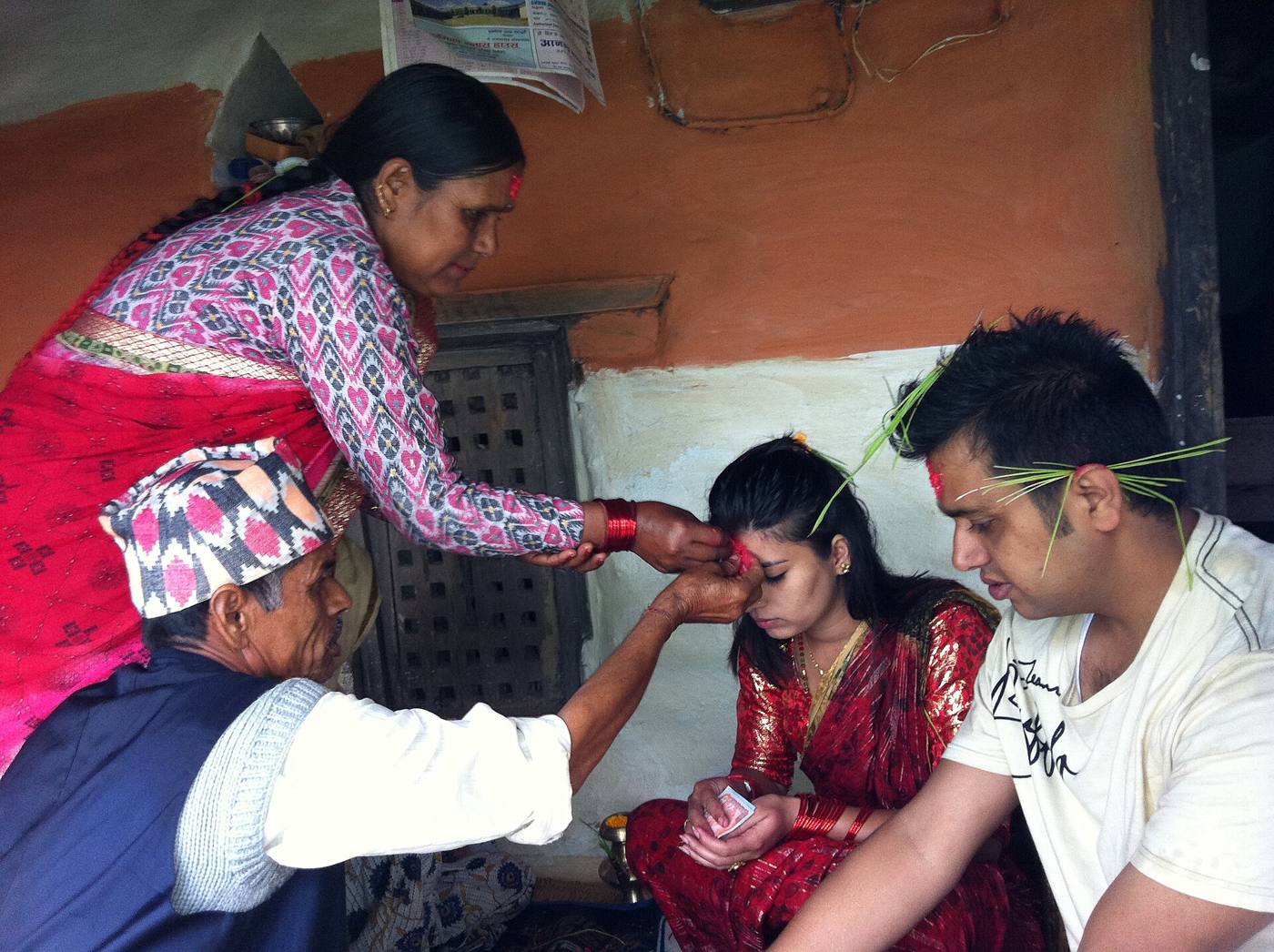
Phulpati Shovayatras Open Dashain in the Darjeeling Hills
On 10 October 2024 the Darjeeling hills marked Phulpati, the seventh day of Dashain, with colourful flower processions…
October 2024
Darjeeling's Food Culture: Communities, Festivals and the Art of Fermentation
To understand Darjeeling's food, look beyond the menu: at the communities who cook it, the seasons that shape it and…

Vintage Steam Engine 777-B Brought Home to Darjeeling for Restoration
One of the Darjeeling Himalayan Railway's earliest B-Class steam locomotives, No. 777, left the National Rail Museum in…
September 2025Keep exploring
History of Darjeeling
From a Lepcha hamlet in the Sikkim kingdom to the 'Queen of the Hills' of the British Raj, and the proud heart…
Culture & People
A Himalayan crossroads where Nepali, Lepcha, Tibetan, Bhutia and colonial influences meet, and where prayer fl…
Famous People of Darjeeling
A Hollywood star, an Everest pioneer, a Tibetan leader and a great Hungarian scholar: the remarkable people wh…
Festivals & Events
With Hindu, Buddhist, Christian and Lepcha calendars all in play, there's almost always something to celebrate…