

Culture & People
A Himalayan crossroads where Nepali, Lepcha, Tibetan, Bhutia and colonial influences meet, and where prayer flags flutter beside church spires and temple bells.
A mosaic of communities
Most people in the Darjeeling hills are Gorkhas: Nepali-speaking communities including the Rai, Limbu, Tamang, Gurung, Magar, Newar, Sherpa, Chettri and Bahun. The Lepcha are the indigenous people of the region, and the Bhutia and Tibetans brought their Buddhist traditions. Bengali, Marwari, Bihari and Anglo-Indian families have also called the town home for generations.
Nepali is the lingua franca and one of India's official languages. English is widely spoken thanks to the hills' famous schools, and Hindi and Bengali are commonly understood.
Gorkha (Nepali)
The majority community, whose language, music, food and festivals such as Dashain and Tihar define everyday life in the hills.
Lepcha
The original inhabitants, with a deep connection to nature, their own script and a rich oral tradition.
Tibetan & Bhutia
Buddhist communities who built many of the monasteries, and whose Losar festival is celebrated across town.
Sherpa
Renowned mountaineers; Darjeeling was the base for the early Everest expeditions.
Faith and harmony
Hinduism and Buddhism are the main faiths, often practised side by side. The Mahakal Temple on Observatory Hill is served by both Hindu priests and Buddhist lamas. Christianity has a long history here through churches and mission schools, and there are mosques and gurdwaras too. Visitors will see prayer flags, mani walls and prayer wheels everywhere.
To see this living heritage, visit Ghoom Monastery, Bhutia Busty, the colourful Mag-Dhog monastery of the Yolmo community, the Druk Sangag Choling (Dali) Monastery and the Nepali-style Dhirdham Temple, modelled on Kathmandu's Pashupatinath.
Music, dance and the arts
Darjeeling has a vibrant music scene, from Nepali folk songs (lok geet) and the madal drum to rock and pop bands that grew up in its schools. Traditional dances include the Maruni and the Tamang Selo, often performed at festivals and cultural shows on Chowrasta. Monastery festivals feature masked cham dances.
The hills have a strong literary tradition. The Bhanubhakta statue on Chowrasta honours the poet who translated the Ramayana into Nepali, and Darjeeling has long been a centre of Nepali literature and publishing.
Dress and craft
On festival days you'll see men in the daura-suruwal with a dhaka topi cap and women in colourful saris or the Tibetan chuba. Look for hand-woven dhaka cloth, thangka paintings, Tibetan carpets, khukuri knives (the curved Gorkha blade) and wood carving.
Colonial legacy
Victorian churches, Tudor-style cottages, boarding schools such as St Paul's, St Joseph's (North Point) and Loreto Convent, and heritage hotels like the Windamere all tell the story of the Raj. Afternoon tea, bakery traditions and the town's love of football and books are part of that inheritance.
Places to experience it
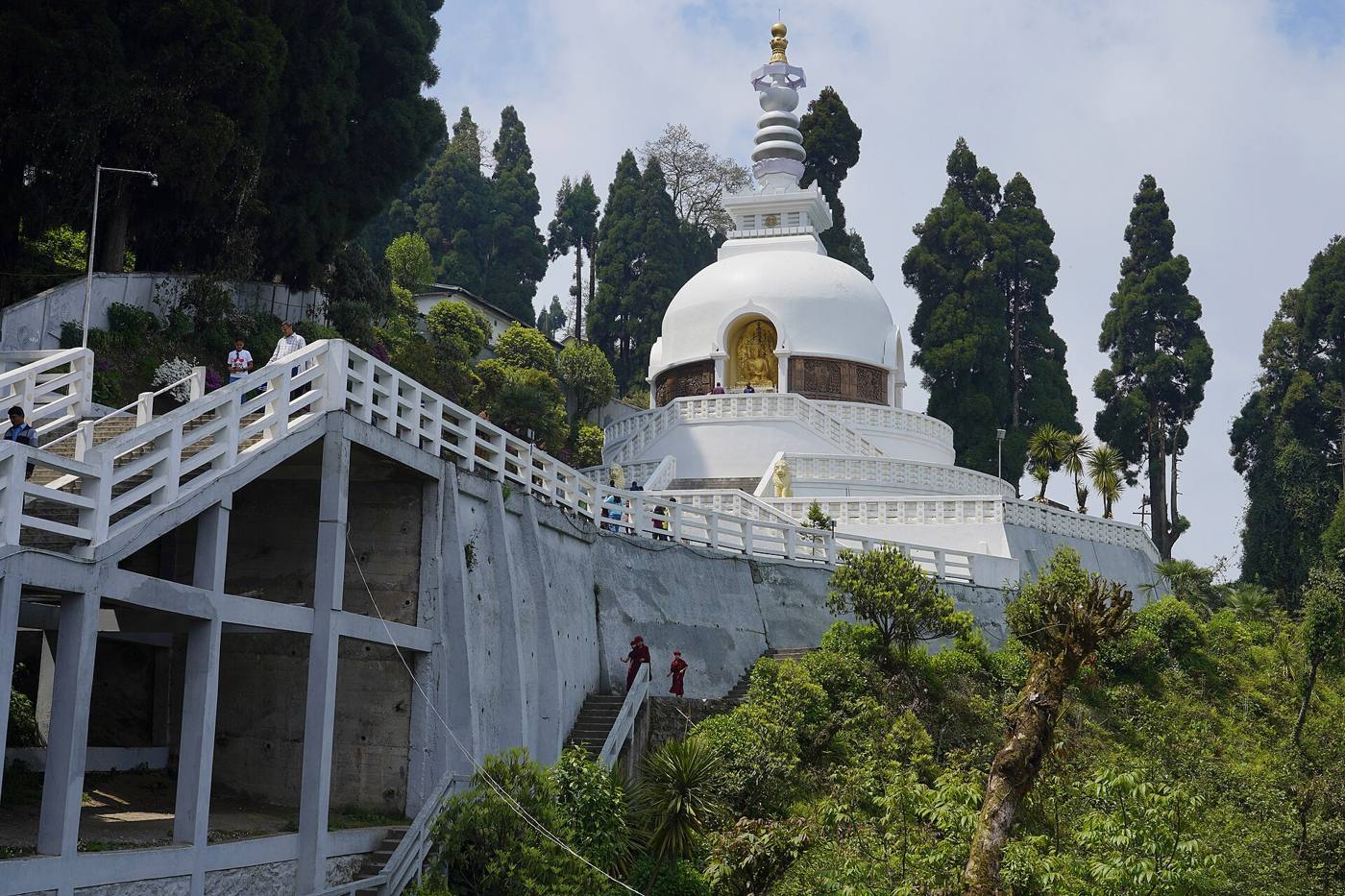
Japanese Temple & Peace Pagoda
A gleaming white stupa built to promote world peace
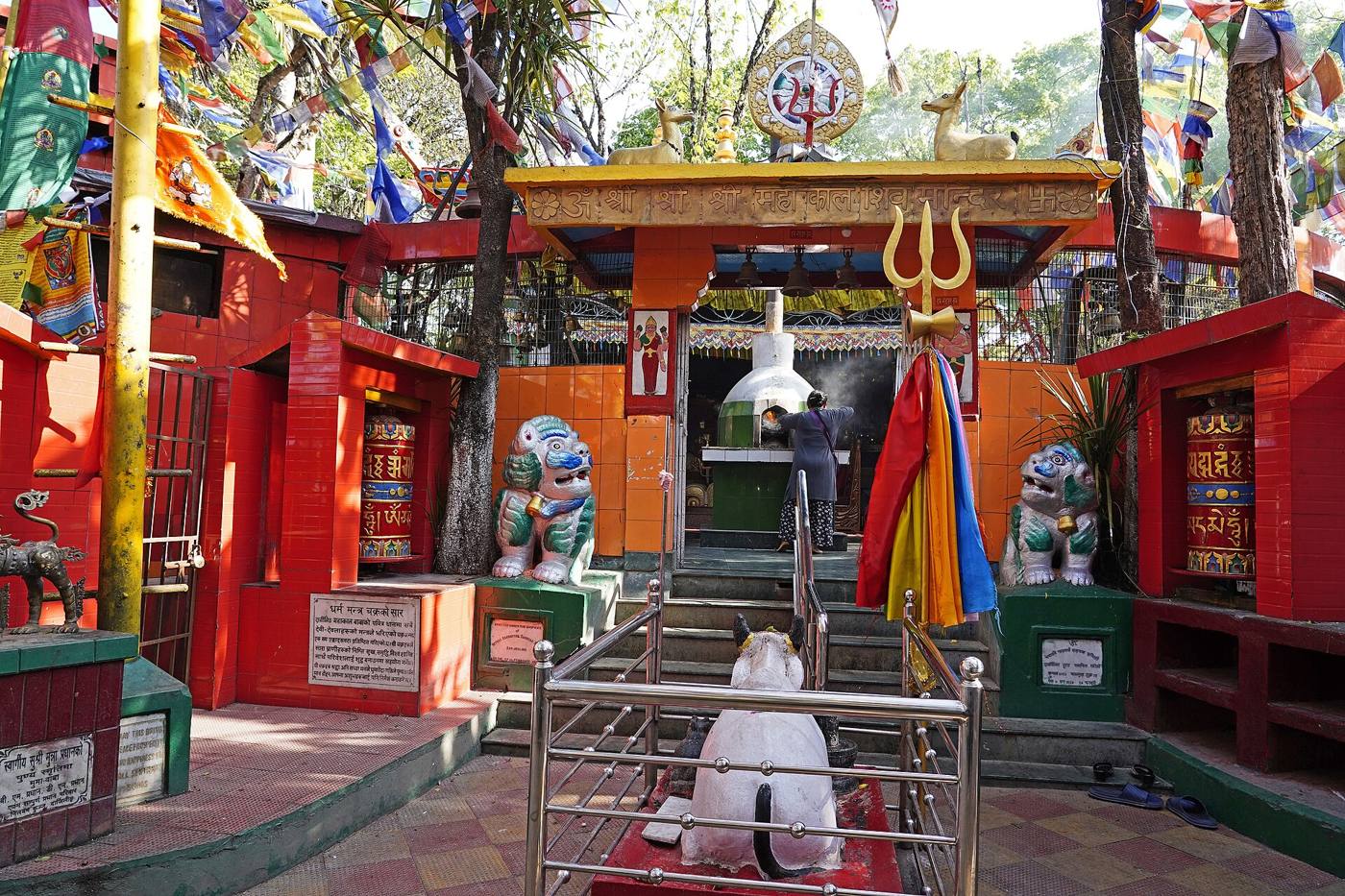
Observatory Hill & Mahakal Temple
The sacred hilltop where Darjeeling got its name
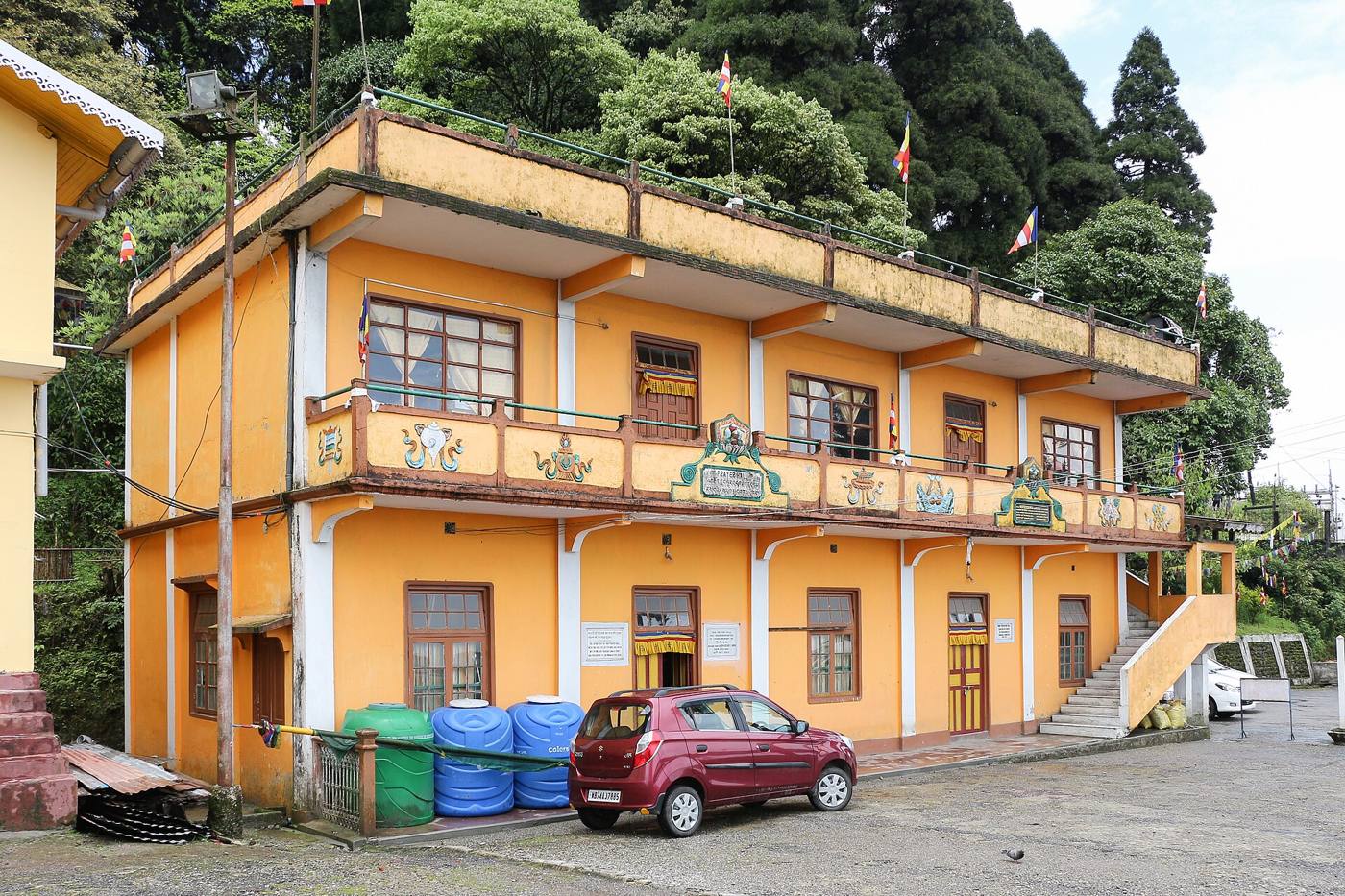
Ghoom Monastery (Yiga Choeling)
A 19th-century gompa with a towering Maitreya Buddha
Stories & guides
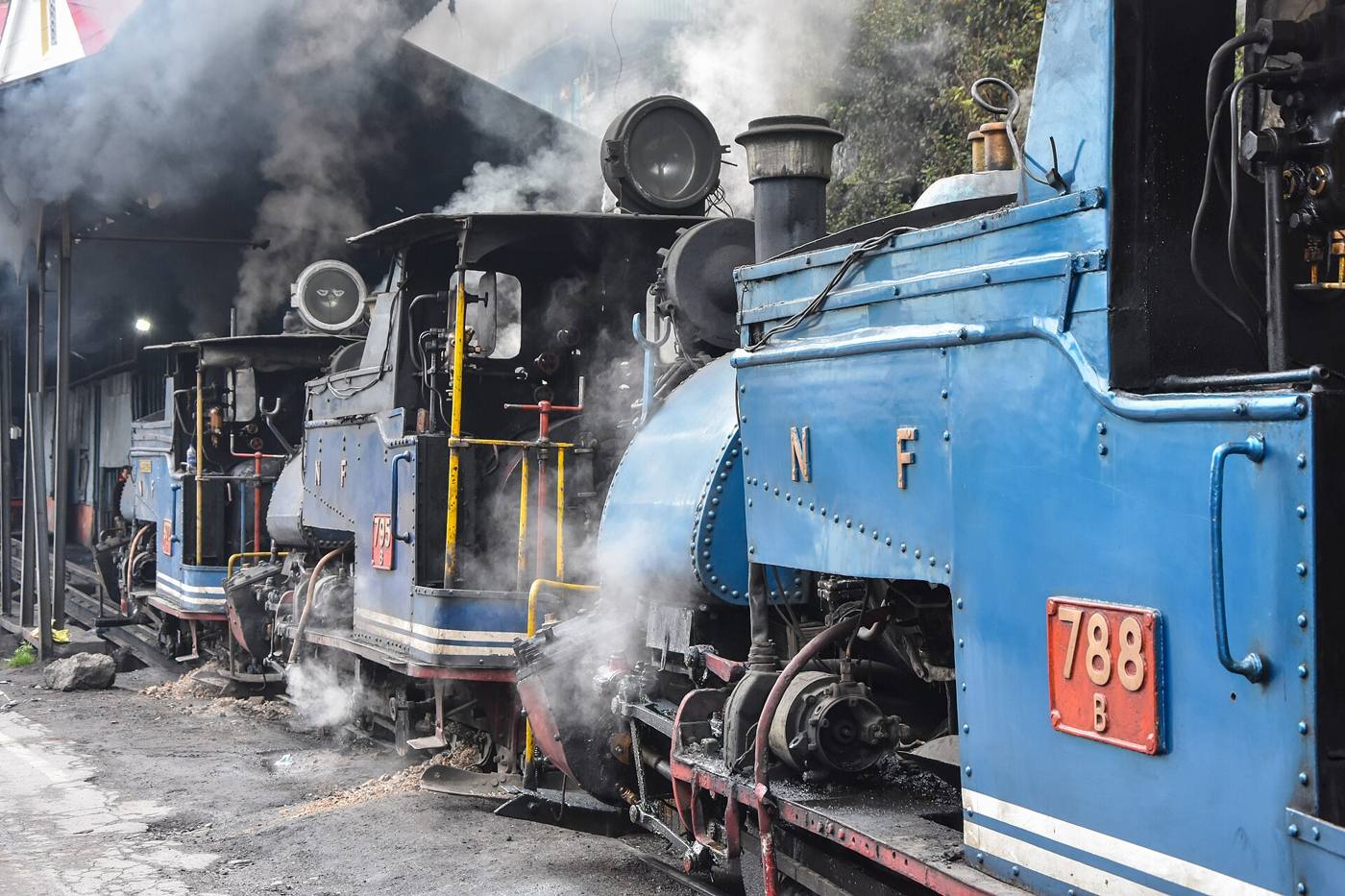
Darjeeling's 111-Year-Old Durga Puja Ends with an Immersion by Toy Train
On Bijoya Dashami 2025, the Nripendra Narayan Bengali Hindu Hall, home to Darjeeling's oldest community Durga Puja…
October 2025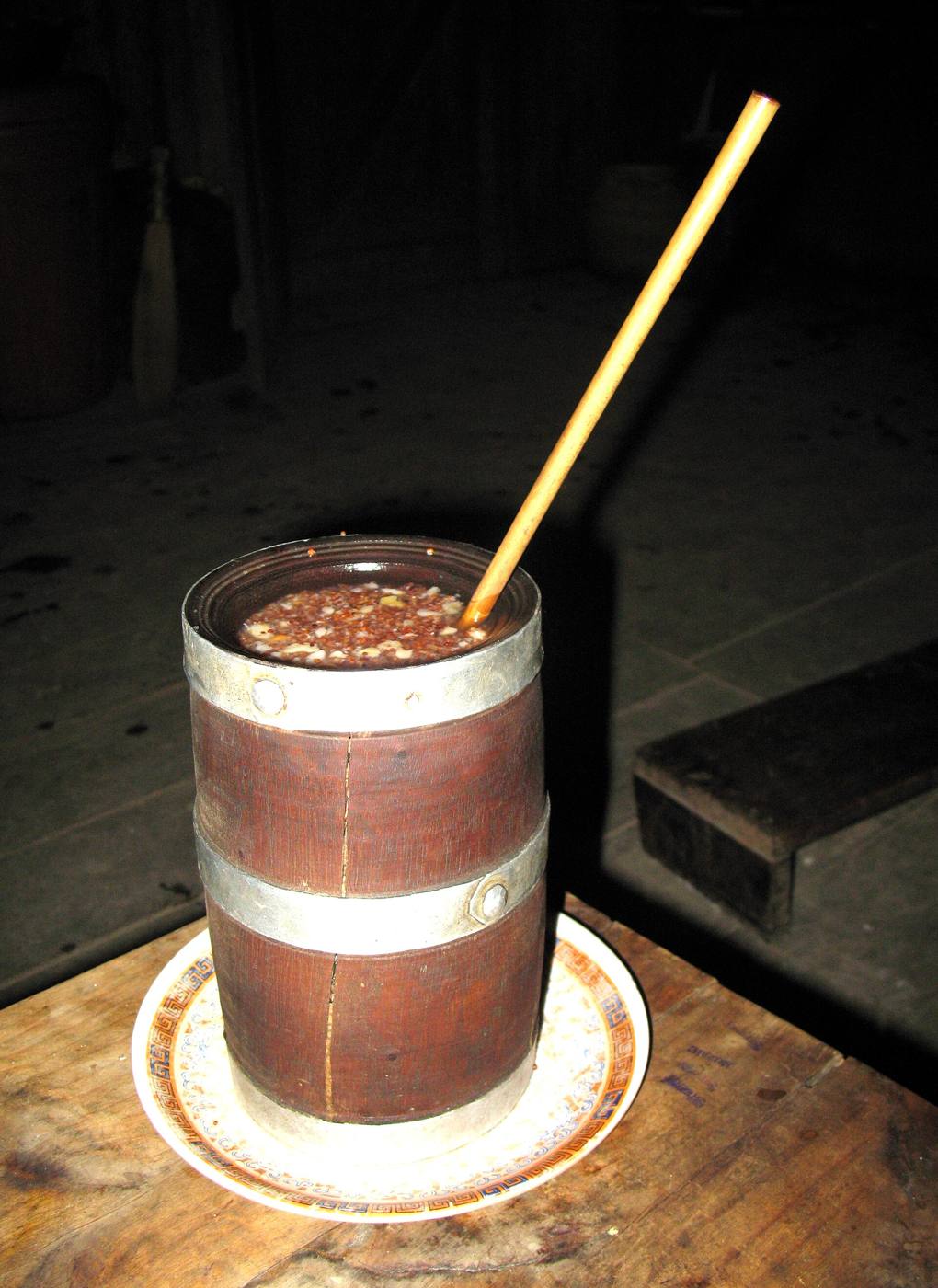
Tongba: The Limbu Millet Brew Worth Trying in Darjeeling
Served in a bamboo vessel and topped up with hot water as you drink, tongba is the traditional millet brew of the Limbu…
April 2025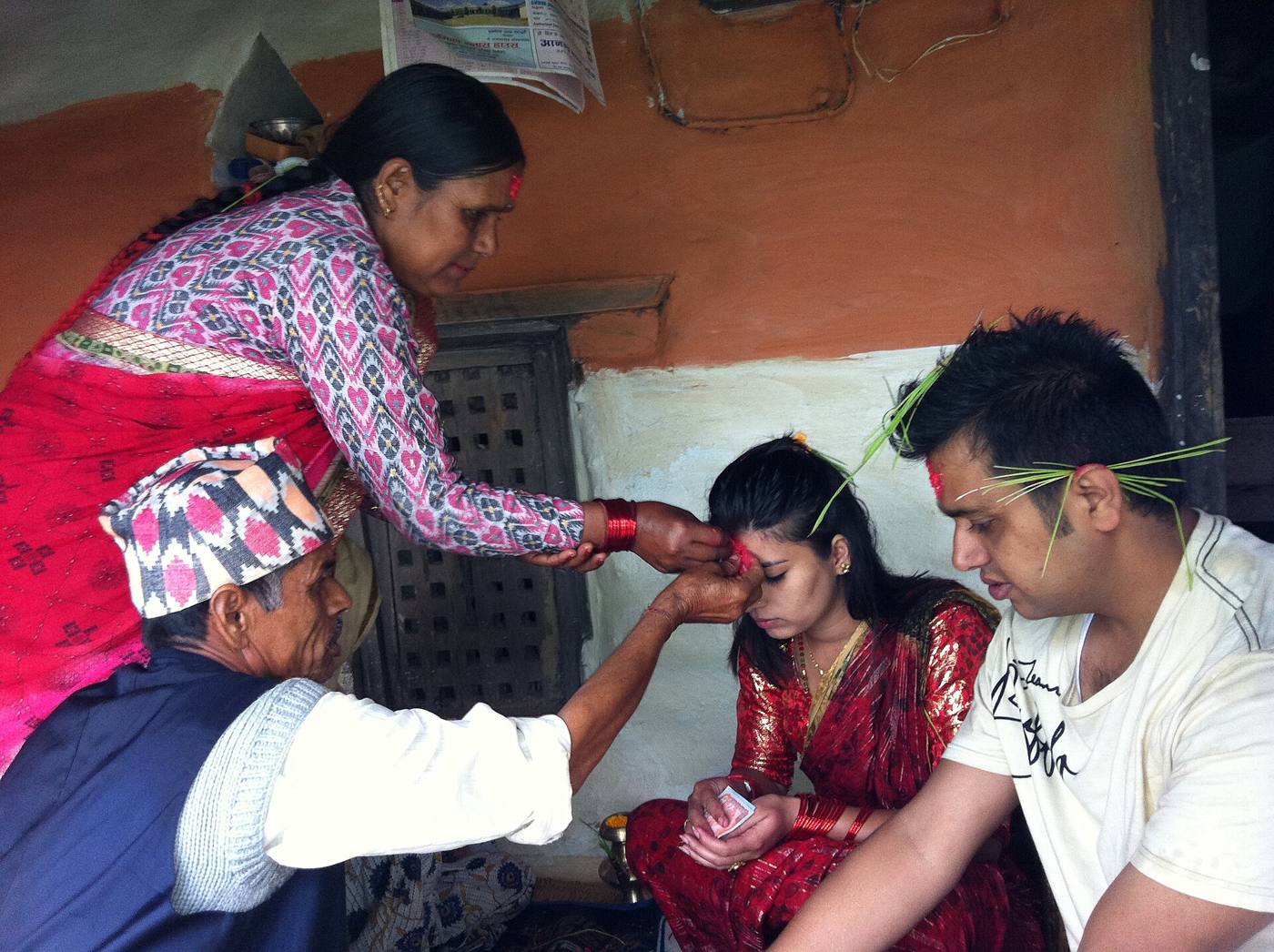
Phulpati Shovayatras Open Dashain in the Darjeeling Hills
On 10 October 2024 the Darjeeling hills marked Phulpati, the seventh day of Dashain, with colourful flower processions…
October 2024Keep exploring
History of Darjeeling
From a Lepcha hamlet in the Sikkim kingdom to the 'Queen of the Hills' of the British Raj, and the proud heart…
Famous People of Darjeeling
A Hollywood star, an Everest pioneer, a Tibetan leader and a great Hungarian scholar: the remarkable people wh…
Festivals & Events
With Hindu, Buddhist, Christian and Lepcha calendars all in play, there's almost always something to celebrate…
Life & Society in the Hills
Schools, tea gardens, football, cafés and a fierce sense of identity. Understand everyday Darjeeling and trave…