History of Darjeeling
From a Lepcha hamlet in the Sikkim kingdom to the 'Queen of the Hills' of the British Raj, and the proud heart of Gorkha identity today.
The place of the thunderbolt
The name Darjeeling is usually traced to the Tibetan Dorje Ling, 'the place of the thunderbolt', after a Buddhist monastery that once stood on Observatory Hill. Long before the British arrived, these forested ridges were home to the Lepcha, the indigenous people of the eastern Himalaya, who call themselves Rongkup, 'children of the snowy peak', and to Limbu and other communities.
For much of the 18th century the area formed part of the Kingdom of Sikkim, ruled by the Namgyal Chogyals. After 1780 the expanding Gorkha kingdom of Nepal overran much of the region, until its defeat by the British East India Company in the Anglo-Nepalese War (1814–16). Under the Treaty of Titalia (1817) the British restored the territory to Sikkim.
A sanatorium in the clouds
In 1828 two British officers, Captain George Lloyd and J. W. Grant, passed through the 'Old Goorka station of Dorjeling' and saw its potential as a hill sanatorium where officials and soldiers could recover from the heat of the plains. In 1835 the Chogyal of Sikkim granted the ridge to the Company, and Dr Archibald Campbell, appointed superintendent in 1839, laid out roads, a bazaar and the first experimental tea plants.
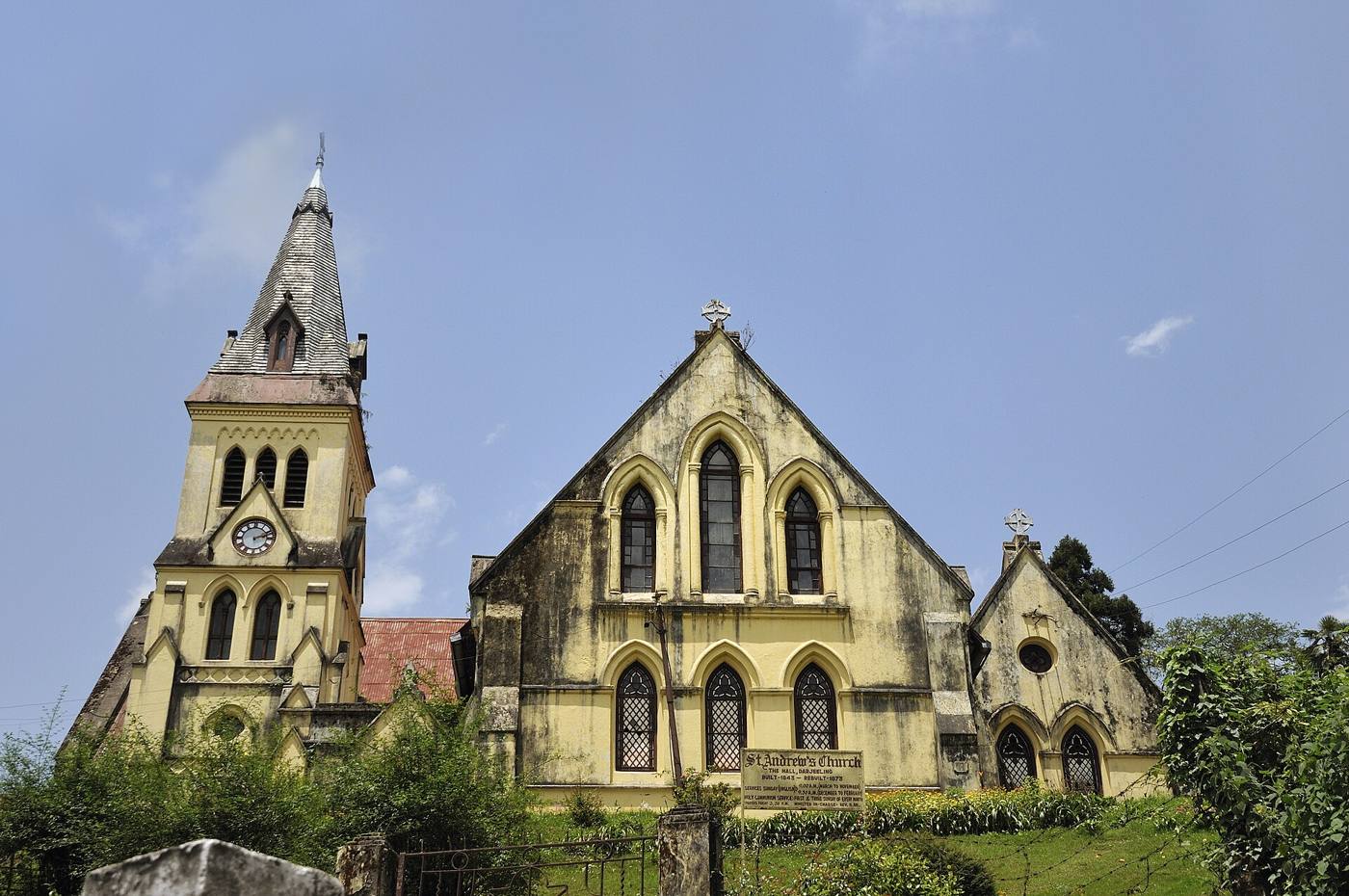
Darjeeling grew quickly. By the late 19th century it was the summer capital of the Bengal Presidency, with the government moving up from Calcutta each year. Elite boarding schools, churches, clubs and grand hotels followed, and in 1881 the Darjeeling Himalayan Railway connected the town to the plains.
Tea, labour and a new society
Commercial tea planting took off in the 1850s, and by the 1870s dozens of estates covered the slopes. The gardens and the railway drew tens of thousands of workers, largely from eastern Nepal, whose descendants form the Nepali-speaking Gorkha majority of the hills today. Lepcha, Bhutia, Tibetan, Bengali, Marwari, Anglo-Indian and British communities added to the mix.
Mountains and mountaineers
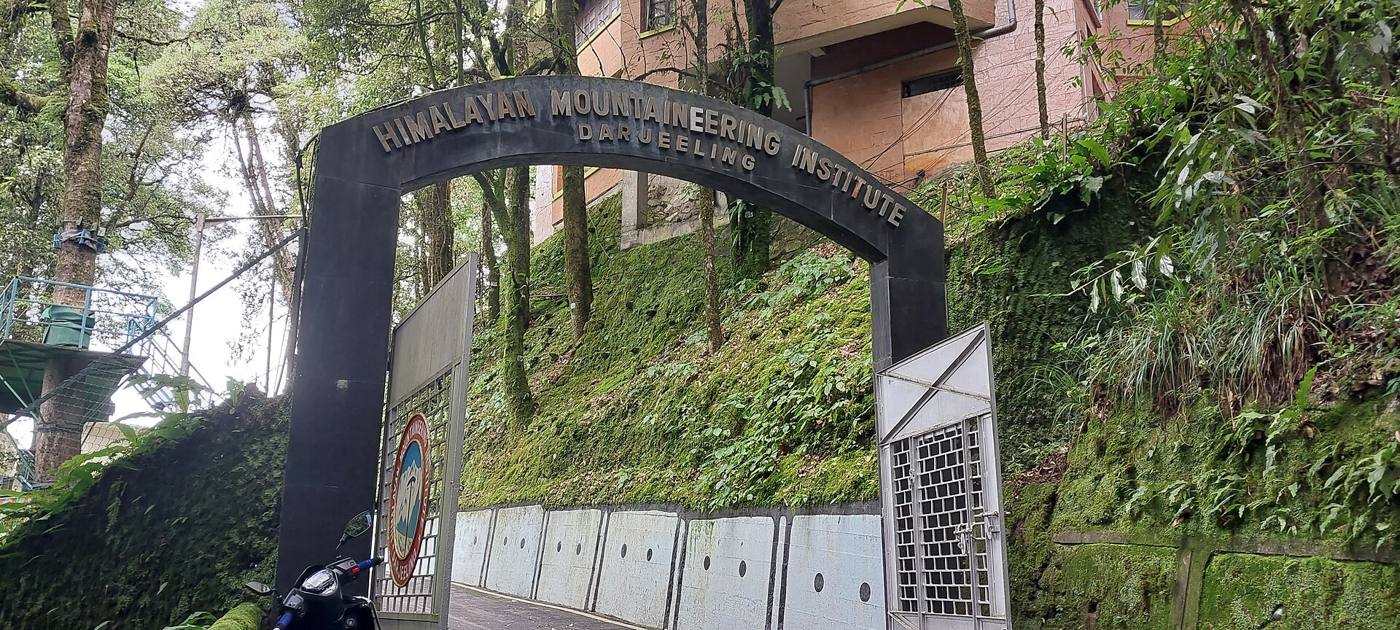
Darjeeling became the base for early Himalayan exploration. Sherpa porters recruited here joined the British Everest expeditions of the 1920s and 1930s, and one of them, Tenzing Norgay, made his home in the town. After he reached the summit of Everest with Edmund Hillary in 1953, the Himalayan Mountaineering Institute was founded in Darjeeling with Tenzing as its first Director of Field Training.
Modern Darjeeling
After Indian independence in 1947 Darjeeling became part of the state of West Bengal. From the 1980s, the movement for Gorkhaland, a separate state for the Nepali-speaking people of the hills, has shaped local politics. A semi-autonomous Darjeeling Gorkha Hill Council was created in 1988, succeeded in 2012 by the Gorkhaland Territorial Administration (GTA).
In 1999 the Darjeeling Himalayan Railway became a UNESCO World Heritage Site, and in 2004 Darjeeling tea became the first product in India to receive a Geographical Indication (GI) tag, protecting its name worldwide.
Timeline
- Before 1700s
Lepcha and Limbu settlements on the forested ridges
- 1780
Gorkha armies of Nepal take control of the region
- 1817
Treaty of Titalia returns the land to the Kingdom of Sikkim
- 1835
Sikkim grants the Darjeeling ridge to the British East India Company
- 1839
Dr Archibald Campbell appointed superintendent; town planning begins
- 1841
First experimental tea plants grown
- 1850
Ghoom Monastery (Yiga Choeling) founded
- 1866
Kalimpong added to Darjeeling district after the Anglo-Bhutan War
- 1881
Darjeeling Himalayan Railway reaches Darjeeling
- 1953
Tenzing Norgay, a Darjeeling resident, summits Everest
- 1954
Himalayan Mountaineering Institute founded
- 1988
Darjeeling Gorkha Hill Council established
- 1999
Toy Train inscribed as a UNESCO World Heritage Site
- 2004
Darjeeling tea becomes India's first GI-tagged product
- 2012
Gorkhaland Territorial Administration formed
Places to experience it

Stories & guides
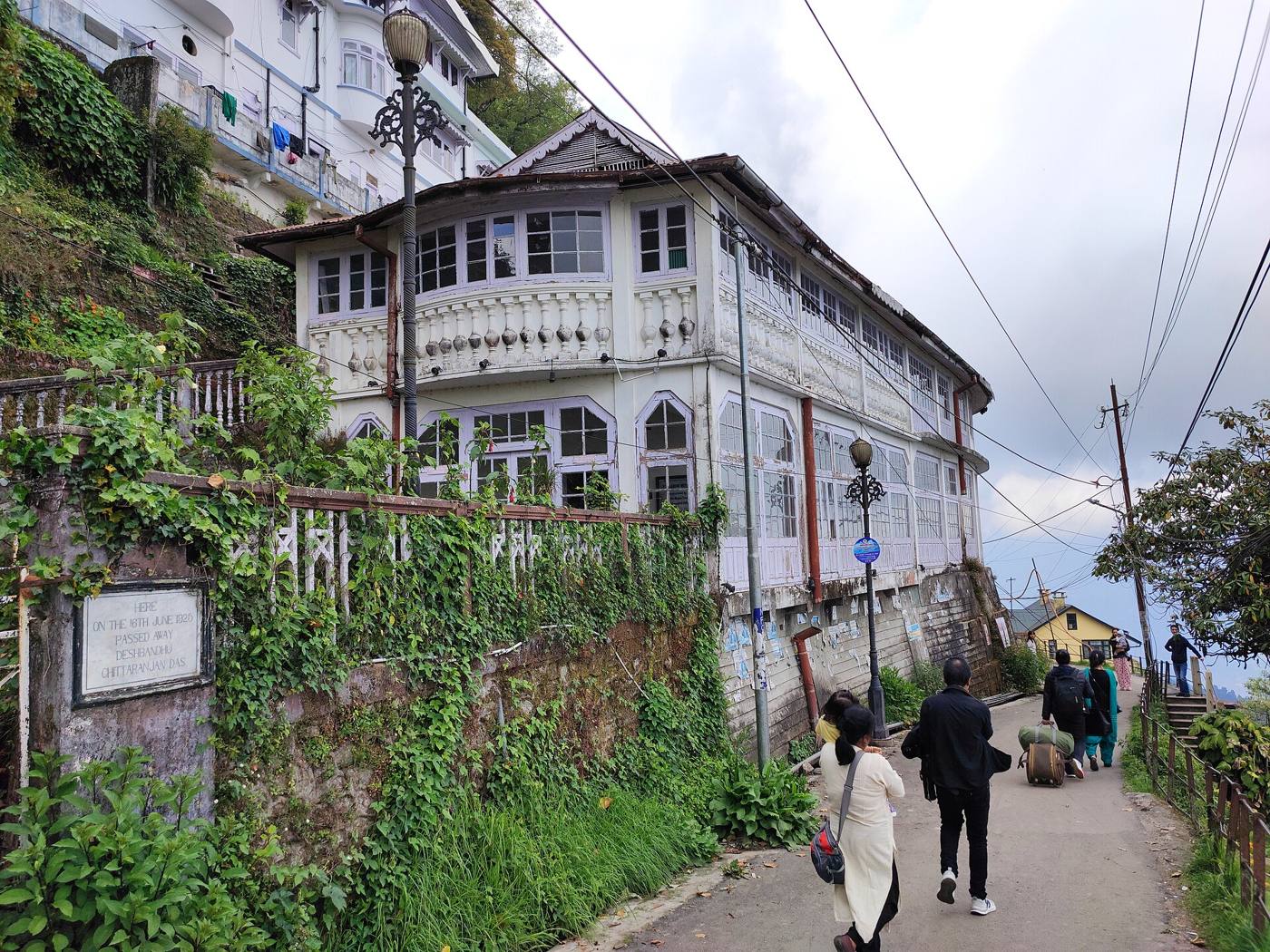
Step Aside, Where Deshbandhu C.R. Das Died, Reopens After Renovation
In October 2024 officials said Step Aside, the house where the freedom fighter Deshbandhu Chittaranjan Das spent his…
October 2024
Discovering Darjeeling, the Queen of the Hills
Strung along a ridge above deep valleys, with Kangchenjunga on the horizon, Darjeeling has welcomed travellers for…
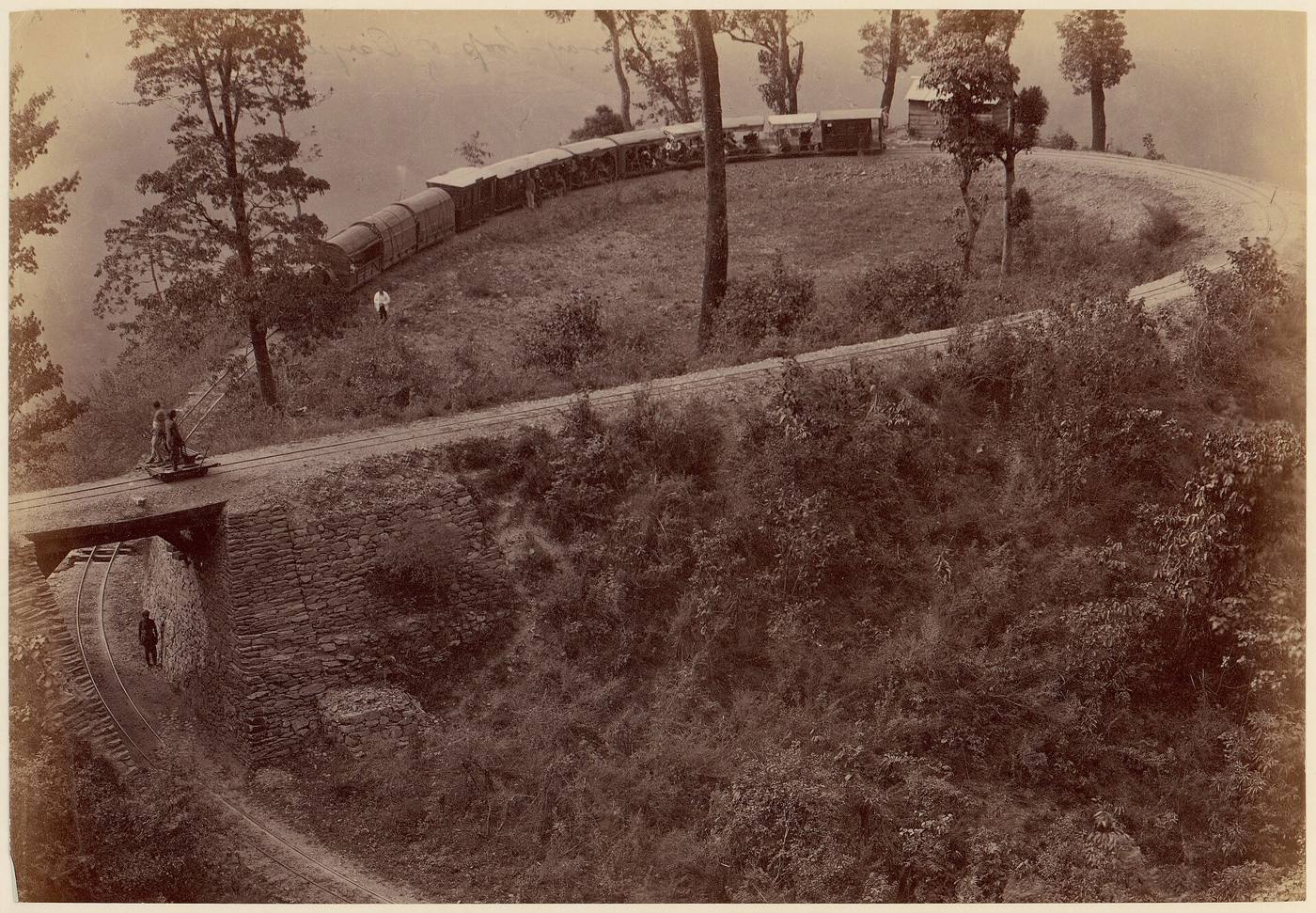
The Darjeeling Himalayan Railway: A History of the Toy Train
Built in barely two years on a track just two feet wide, the Darjeeling Himalayan Railway turned a days-long trek into…
July 2024Keep exploring
Culture & People
A Himalayan crossroads where Nepali, Lepcha, Tibetan, Bhutia and colonial influences meet, and where prayer fl…
Famous People of Darjeeling
A Hollywood star, an Everest pioneer, a Tibetan leader and a great Hungarian scholar: the remarkable people wh…
Festivals & Events
With Hindu, Buddhist, Christian and Lepcha calendars all in play, there's almost always something to celebrate…
Life & Society in the Hills
Schools, tea gardens, football, cafés and a fierce sense of identity. Understand everyday Darjeeling and trave…