

Sukhia Pokhari: A Market Town on the High Road to Mirik
Strung along a ridge 11 km west of Ghum, Sukhia Pokhari is a working hill town rather than a resort: a weekly market, tea estates on every side and the twin ponds of Jorepokhri just up the road, all on the scenic high route between Darjeeling and Mirik.
Overview
Sukhia Pokhari (also written Sukhiapokhri or Sukhia Pokhri) is a census town of about 4,450 people (2011) and the headquarters area of the Jorebunglow Sukhiapokhri block of Darjeeling district. It lies on the road from Ghum to Mirik, close to India's border with Nepal, and serves the surrounding villages and tea gardens as their market and transport hub.
The name is usually translated from Nepali as 'dry pond'. Do not expect a lake in town: the water most visitors come to see is at Jorepokhri, the 'twin ponds', a short distance back towards Ghum.
What to see nearby
Jorepokhri
Two small ponds in forest, protected as habitat of the Himalayan salamander, a rare amphibian. A quiet stop for a walk.
Ghoom Rock
A rocky viewpoint known for Kanchenjunga views on clear mornings and for birdwatching.
Weekly market
Farmers and traders from surrounding villages gather to sell vegetables, spices, clothing and household goods. Arrive in the morning.
Bhagwati Devi Temple
A Durga temple that local accounts describe as several centuries old.
Tea country
The road on to Mirik passes estates such as Thurbo, Okayti, Gopaldhara and Phuguri, with views over tea-covered slopes.
Simana viewpoint
A roadside viewpoint on the border looking over the hills of eastern Nepal.
Things to do
Sukhia Pokhari works best as part of a slow day between Darjeeling and Mirik. Start early from Darjeeling, stop at Lepchajagat or Chataidhura for a forest walk, visit Jorepokhri, browse the market if it is a Friday, then continue through the tea gardens to Mirik's lake. Alternatively, stay a night in a homestay in the surrounding villages and use the town as a base for Manebhanjan and the start of the Singalila trail.
Food here is everyday hill fare: momos, thukpa, sel roti and sweet milky tea in small restaurants around the bazaar.
The surrounding countryside rewards anyone with a spare morning. Footpaths and quiet estate roads lead out of town between tea bushes and forest, and the area's mix of Nepali, Lepcha, Tamang and other communities is reflected in small Hindu temples, Buddhist prayer flags and church spires along the way. During Dashain and Tihar in the autumn the town is decorated with marigolds and lights, and families gather for the festivals, which makes it a lively time to pass through, though transport fills up and shops may close for a day or two.
How to get there
From Darjeeling, drive to Ghum and take the road west via Lepchajagat; Sukhia Pokhari is about 11 km from Ghum and around 45 minutes from Darjeeling. Shared jeeps link Darjeeling with Sukhia Pokhari and Mirik.
From New Jalpaiguri (NJP) or Bagdogra, you can come either up Hill Cart Road via Kurseong and Ghum, or via Mirik on the Siliguri–Mirik road. Either way allow about three hours. The town is also the turn for Manebhanjan, gateway to Sandakphu.
Where to stay
Accommodation in the town itself is limited to simple lodges. Most visitors stay in Darjeeling or Mirik, or in homestays and small forest resorts in the villages around Sukhia Pokhari, Lepchajagat and Chataidhura, which offer quieter surroundings and mountain views.
Best time to visit
| Season | What to expect |
|---|---|
| Mar–May | Pleasant days, spring flowers; haze can hide the peaks |
| Jun–Sep | Monsoon rain and fog; slippery roads |
| Oct–Dec | Clear views and festival season (Dashain, Tihar) |
| Jan–Feb | Cold, sometimes frosty; clear mornings |
Practical tips
- The nearby Pashupatinagar crossing into Nepal is used by local traffic; foreign nationals should not assume it is an authorised entry point and should use a designated crossing such as Panitanki–Kakarbhitta.
- Fog is frequent on the Ghum–Sukhia Pokhari road; drive in daylight.
- There are ATMs and shops in town, unlike in the smaller villages nearby.
- Dress warmly; the town is higher than Darjeeling and often colder.
Frequently asked questions
Is there a lake at Sukhia Pokhari?
Not in the town. The name means 'dry pond'. The nearby Jorepokhri twin ponds are the place to see water and forest.
How far is Sukhia Pokhari from Mirik?
Roughly an hour's drive along the scenic tea-garden road.
Is it worth a stop between Darjeeling and Mirik?
Yes, especially on market day and combined with Jorepokhri and Ghoom Rock.
Can I cross into Nepal here?
The crossing is used mainly by Indian and Nepali nationals. Other foreign visitors should check current rules and use a designated international crossing.
Plan your visit
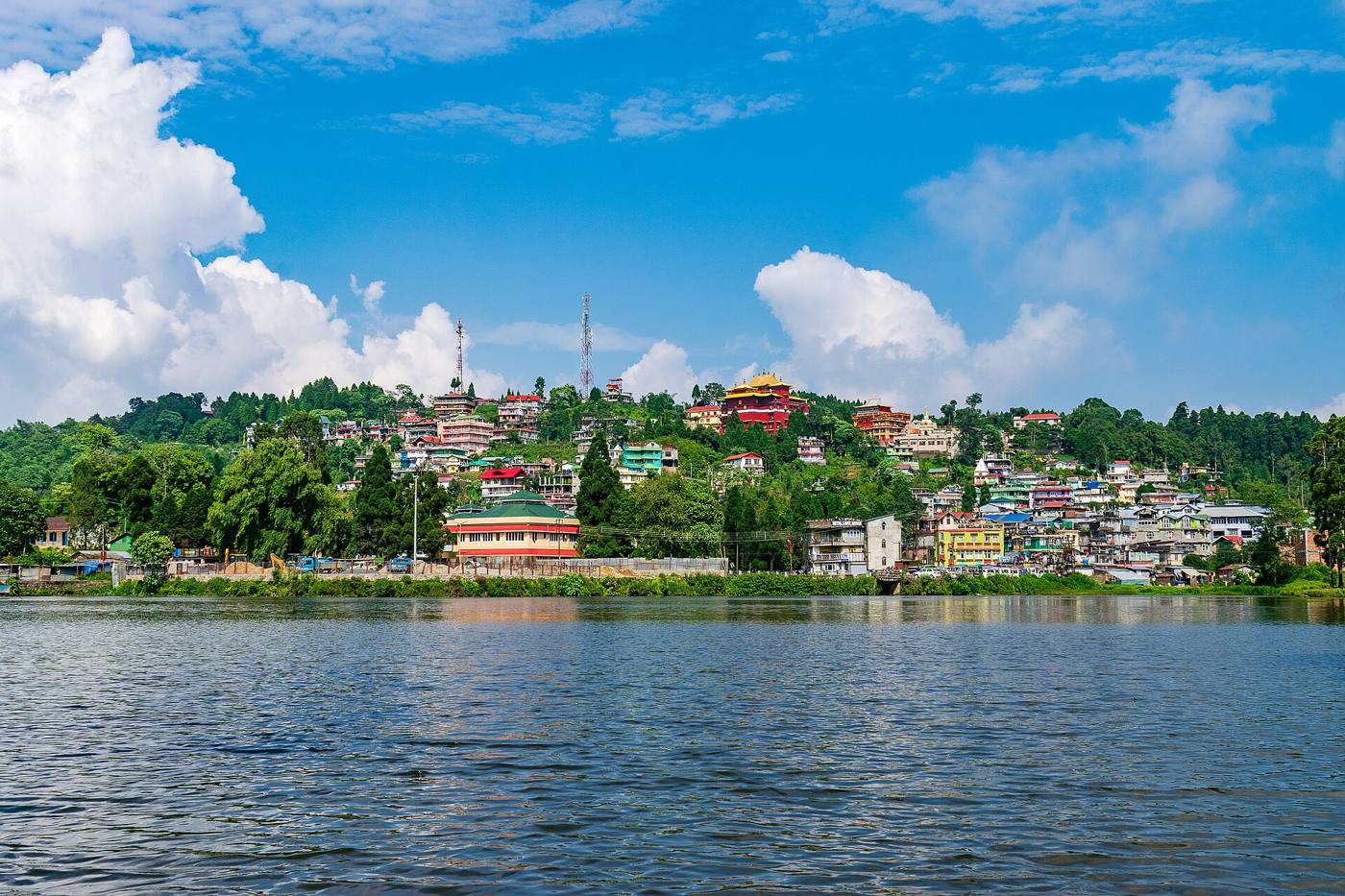
Mirik
A lakeside hill town ringed by tea gardens and pine

Chataidhura: A Forest Hamlet on the Ghum–Lepchajagat Road
A few kilometres beyond Ghum, on the forested road towards Lepchajagat and Sukhia Pokhari, the roadside hamlet of…
August 2024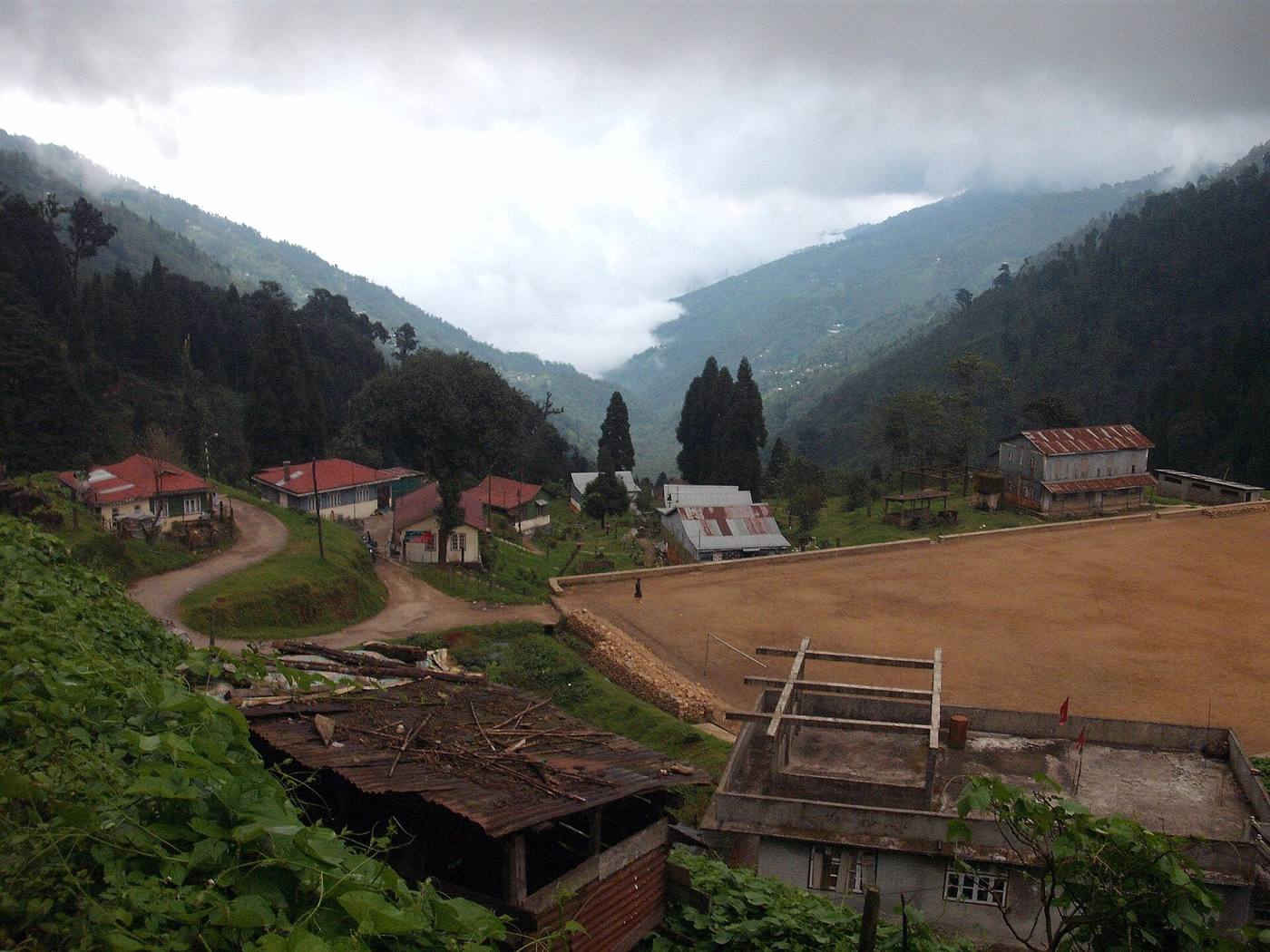
Manebhanjan: The Border Town at the Start of the Sandakphu Road
A busy little bazaar on the India–Nepal border, Manebhanjan is where every Singalila journey begins: permits are…
September 2024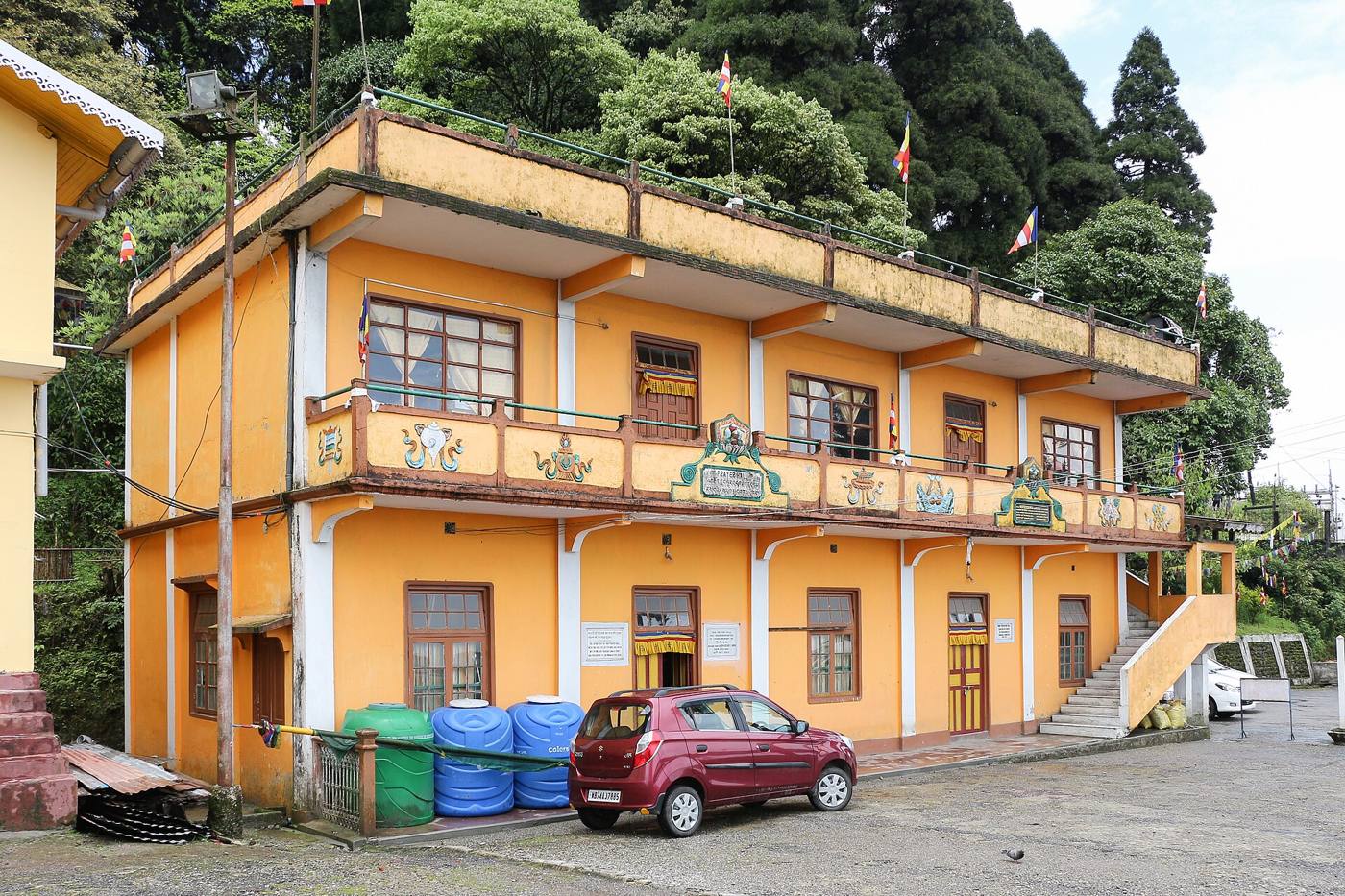
Ghoom Monastery (Yiga Choeling)
A 19th-century gompa with a towering Maitreya Buddha
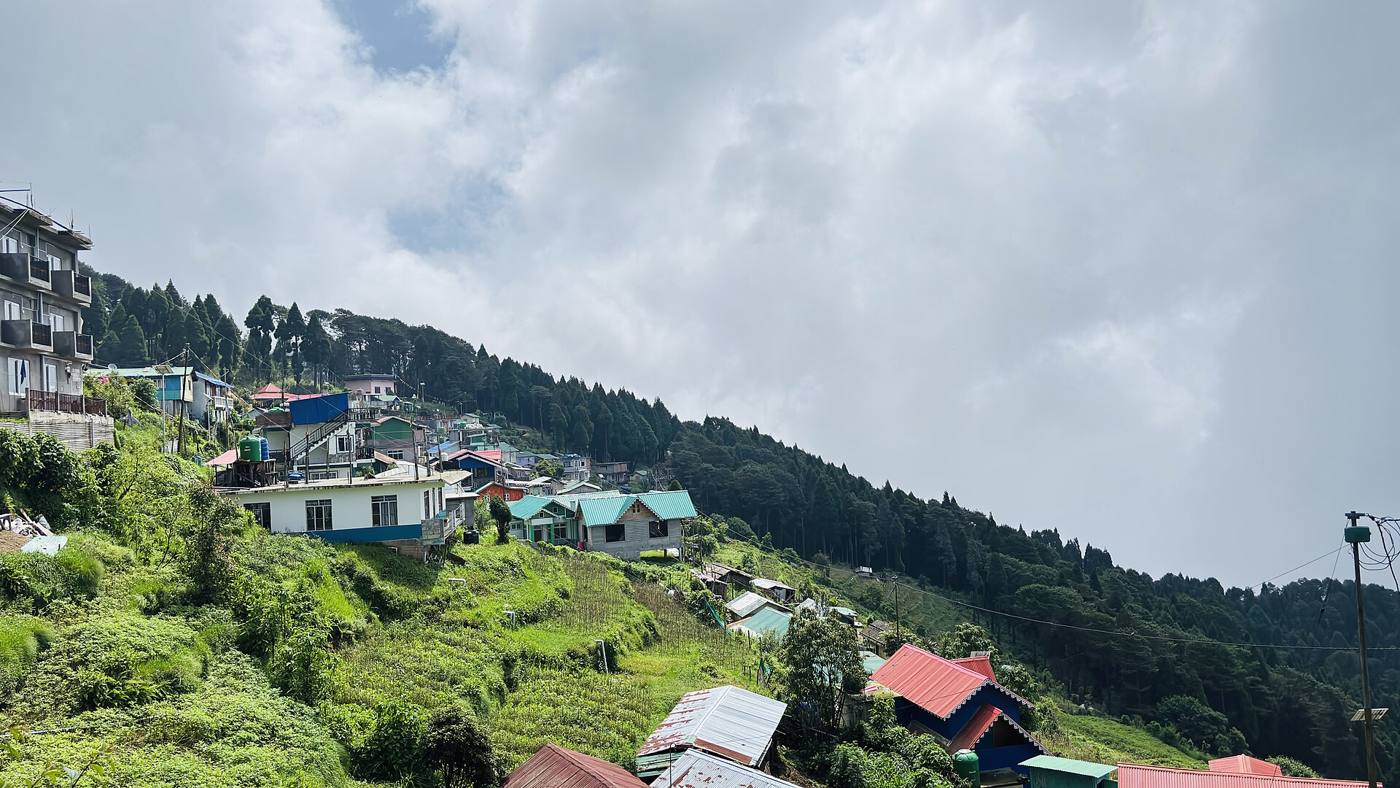
Dhotrey: A Forest Village and the Quiet Way onto the Singalila Ridge
Surrounded by pine and broadleaf forest in the buffer zone of Singalila National Park, Dhotrey is a small village for…
September 2024More offbeat destinations

15 Offbeat Escapes Around Darjeeling for the Durga Puja Holidays
Durga Puja and Dashain bring the Darjeeling hills their busiest week of the autumn, just as the monsoon clears and…
August 2025
Chatakpur: An Eco-Village Inside Senchal Wildlife Sanctuary
High in the Senchal forest above Sonada, Chatakpur is one of the highest villages in Darjeeling district: a cluster of…
September 2024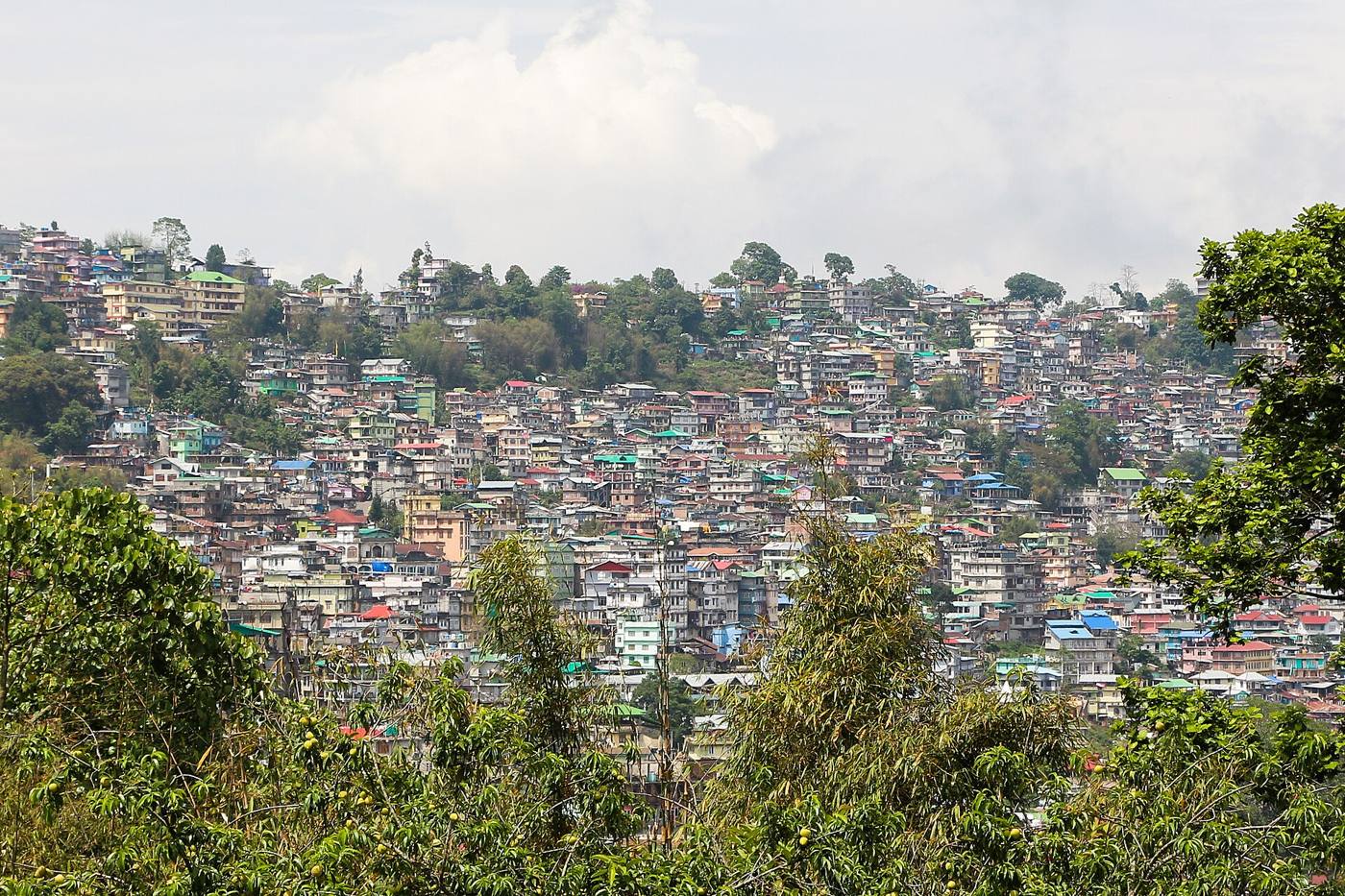
Pedong: Forts, Monasteries and Frontier History East of Kalimpong
Pedong is a ridge-top town about 20 km east of Kalimpong, close to the Sikkim border, where Lepcha fort ruins, a…
September 2024