

Six Tips for Buying Genuine Darjeeling Tea
Far more tea is sold as Darjeeling around the world than the hills could ever produce. These six tips will help you take home the real thing, and a tea you will actually enjoy.
Why it pays to be careful
Darjeeling's 87 registered estates produce only a small amount of tea, and output has fallen sharply over the past three decades, to around 5–6 million kg a year in recent seasons according to industry figures. Meanwhile, cheaper orthodox tea from neighbouring regions, including Nepal, is widely traded in India. Not all tea sold in Darjeeling's bazaars is from Darjeeling, and labels such as 'Darjeeling style' can be misleading. A little knowledge goes a long way.
1. Look for the Darjeeling logo and licence
Since 1983 the Tea Board of India has used a certification logo for Darjeeling tea: a roundel showing the profile of a woman holding two leaves and a bud, with the word DARJEELING across the top. Under the Tea Board's scheme, only 100 per cent Darjeeling tea may carry it, and the word and logo are protected as a geographical indication in India and as certification marks in several other countries.
On packaged tea, look for the logo together with a Tea Board licence or certification number. Its absence does not automatically mean a tea is fake, especially for loose tea weighed out in a shop, but its presence is a useful reassurance.
2. Ask for the garden, flush and year
Good Darjeeling is sold by origin. A reputable seller should be able to tell you which estate the tea came from, which flush (first, second, monsoon or autumn), and which year it was made; specialist shops may even quote the invoice number. Vague answers such as 'mountain tea' or 'special Darjeeling blend' are a warning sign. If you are new to Darjeeling, a second flush from a named garden is a reliable starting point.
3. Taste before you buy
Established tea shops in town will usually brew samples for you. Compare two or three teas side by side: first flush should be bright and floral, second flush rounder with a muscatel edge, autumn flush mellow and coppery. Taste matters more than packaging, and a shop that is reluctant to let you sample is best avoided.
4. Inspect the leaf
- Whole-leaf grades should look like well-made, twisted leaves with some silvery or golden tips, not dust.
- First-flush leaf is often greenish and varied in colour; second flush is darker with golden tips.
- Smell the dry leaf: it should be fresh and fragrant, not musty, smoky or flat.
- Check for stalks, dust and fragments at the bottom of the packet, which suggest a lower grade.
5. Buy from established sellers
Shops and their offerings change; this is not an endorsement of any particular retailer.
Darjeeling has several long-standing tea merchants. Nathmull's, founded in 1931 and still run by the same family, has its original shop on Laden La Road and a tea lounge on Chowrasta, and other specialist tea shops line Chowrasta and Nehru Road. Estates such as Happy Valley Tea Estate sell their own teas at the factory, which removes any doubt about origin.
Be cautious with very cheap 'Darjeeling' sold from street stalls or in decorative boxes: genuine estate teas, especially from the spring and early summer flushes, are not cheap to produce. Prices vary widely by garden, flush and grade, so compare before buying.
6. Store it properly and drink it fresh
- Keep tea in an airtight, opaque container away from heat, light, moisture and strong smells such as spices or coffee.
- Drink first flush within about a year; second and autumn flushes keep a little longer.
- Buy smaller packets of several teas rather than one large bag.
- Vacuum-packed or foil-lined packs travel best.
Bringing tea home
Tea for personal use is generally permitted by customs in most countries, but rules and allowances differ. Declare it if asked, keep it in its original labelled packaging, and check your home country's import rules before travelling.
Frequently asked questions
How can I tell if Darjeeling tea is genuine?
Look for the Tea Board's Darjeeling logo and licence number on packaging, ask for the estate and flush, and buy from established sellers or directly from estates.
Is tea from Nepal the same as Darjeeling?
No. Tea from eastern Nepal is grown in similar conditions and can be excellent, but it is a different origin and cannot legally be sold as Darjeeling.
Which Darjeeling tea should I buy as a gift?
A whole-leaf second flush from a named estate is a safe, crowd-pleasing choice. For tea lovers, add a first flush for comparison.
Is it cheaper to buy Darjeeling tea in Darjeeling?
Not necessarily, but you can taste before buying and choose from a wider range of gardens and flushes than most shops abroad offer.
Plan your visit
Darjeeling Tea
The 'Champagne of Teas' grows on some of the steepest slopes on Earth. Walk the gardens, meet the makers and…

Darjeeling Tea Flushes Explained: First Flush, Second Flush and Beyond
Darjeeling tea changes with the seasons. Understanding the four flushes is the key to choosing a tea you will love…
August 2024
The Best Tea Gardens to Visit in Darjeeling
Darjeeling has 87 registered tea estates, and a handful welcome visitors for factory tours, tastings and even overnight…
July 2024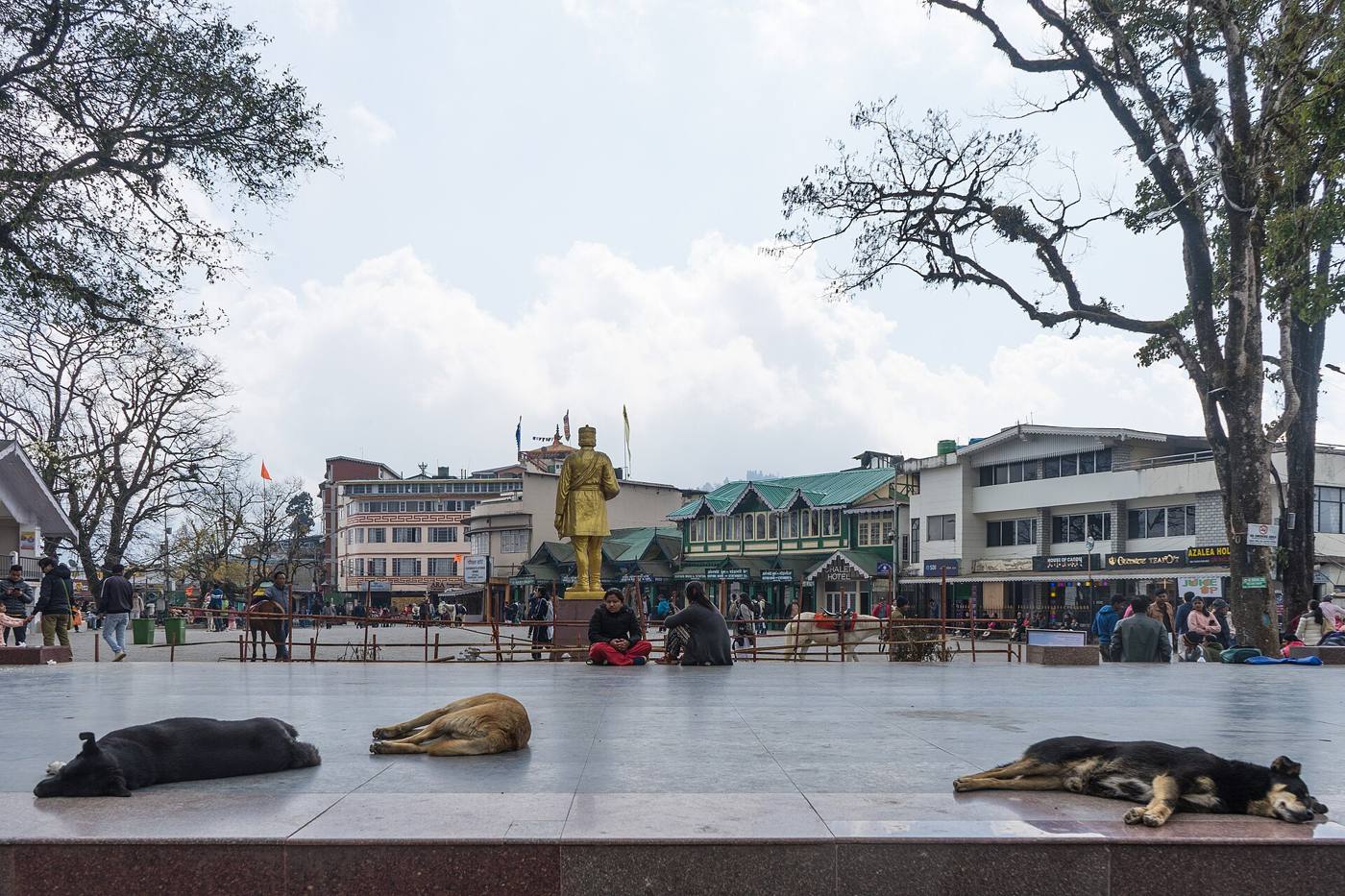
Chowrasta & The Mall
The town square where Darjeeling comes to meet
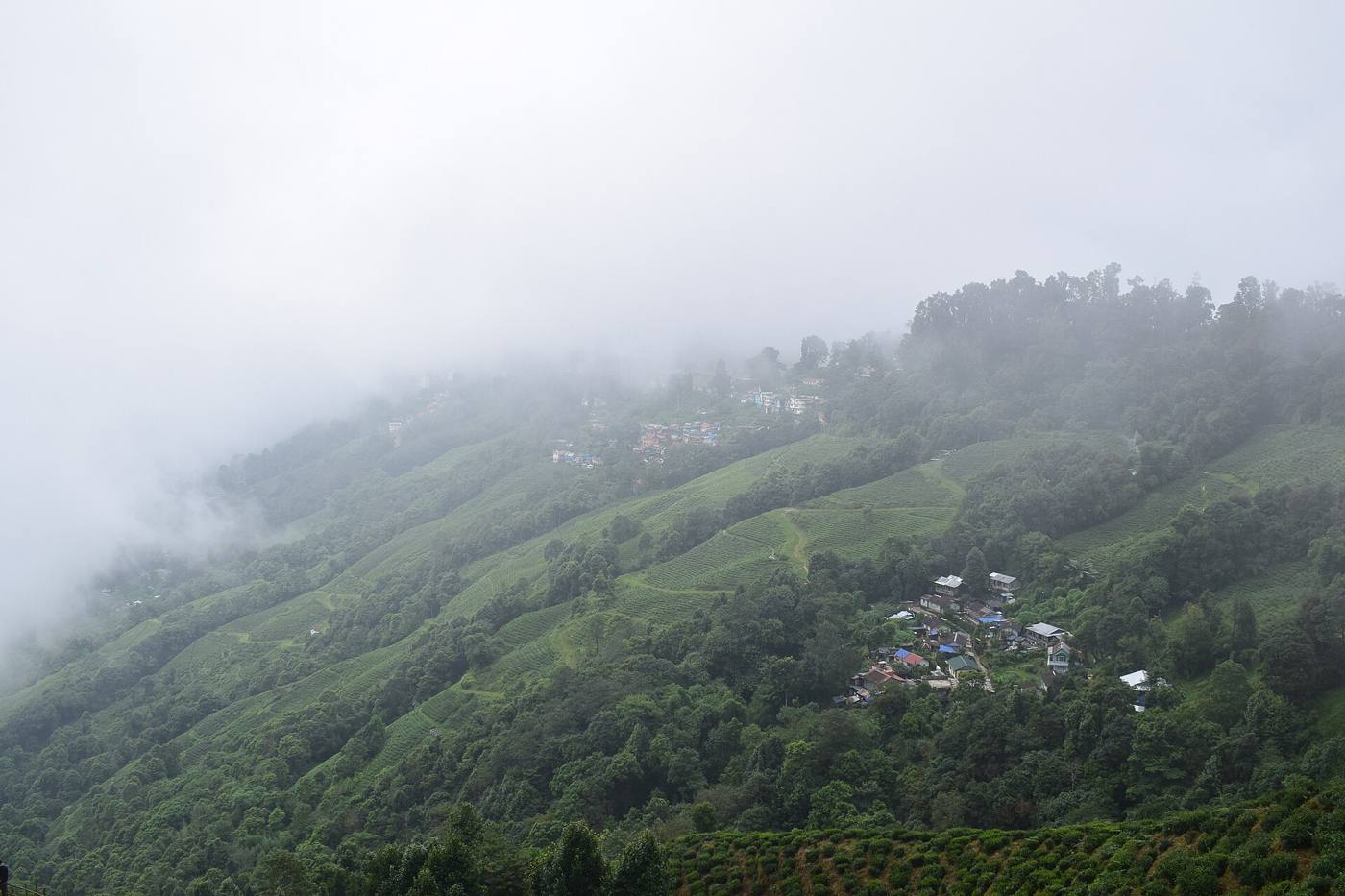
Happy Valley Tea Estate
Walk the tea rows and taste a fresh flush in the factory
More tea
Kalej Valley: The Tea Valley Named After a Pheasant
Below Hill Cart Road between Ghum and Sonada, a side road from Rangbull drops into Kalej Valley, a tea valley that…
November 2024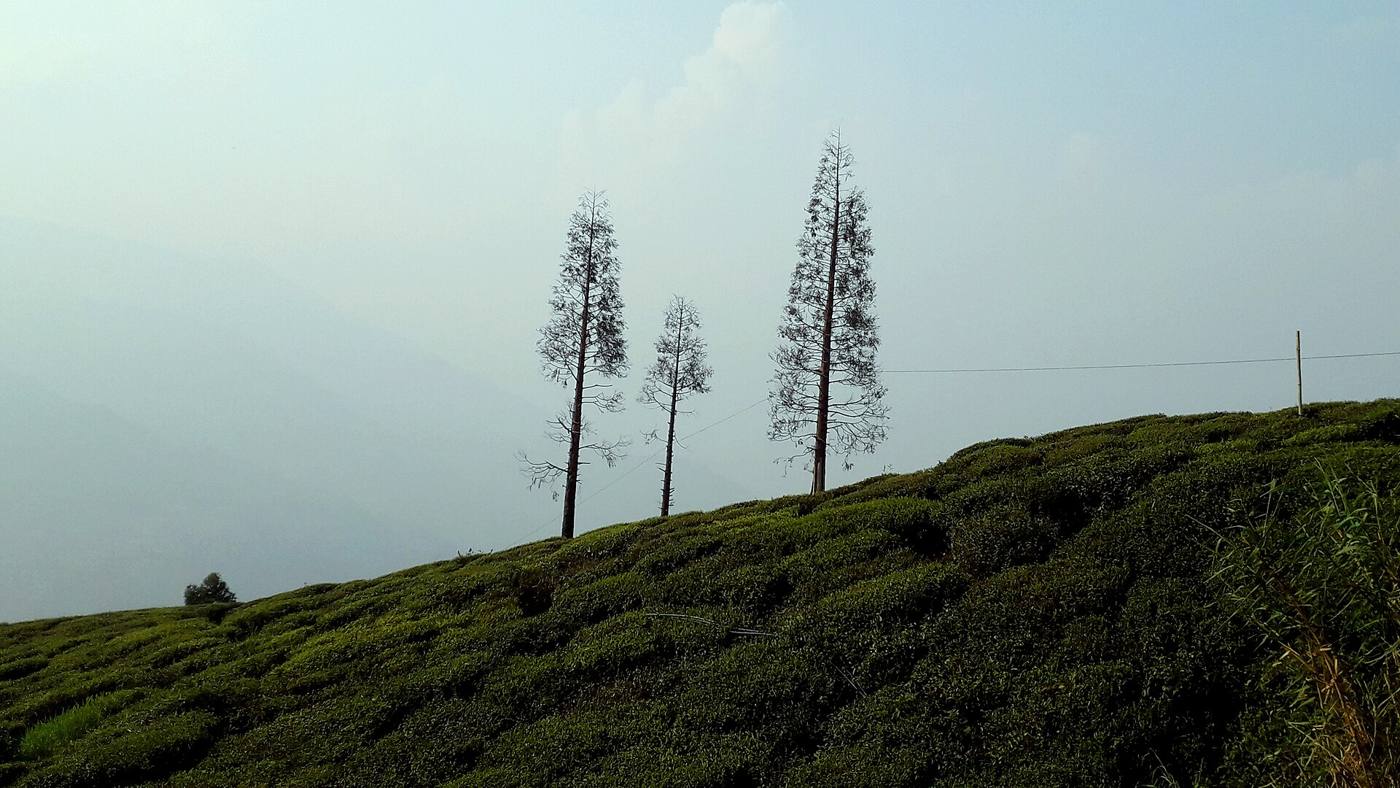
Mim Tea Garden: A Quiet Estate near Sukhia Pokhari
Tucked into the forested ridges west of Ghum, Mim is a small, unhurried tea estate where the main sounds are birdsong…
August 2024