

Darjeeling Tea
The 'Champagne of Teas' grows on some of the steepest slopes on Earth. Walk the gardens, meet the makers and taste the season in your cup.
Why Darjeeling tea is special
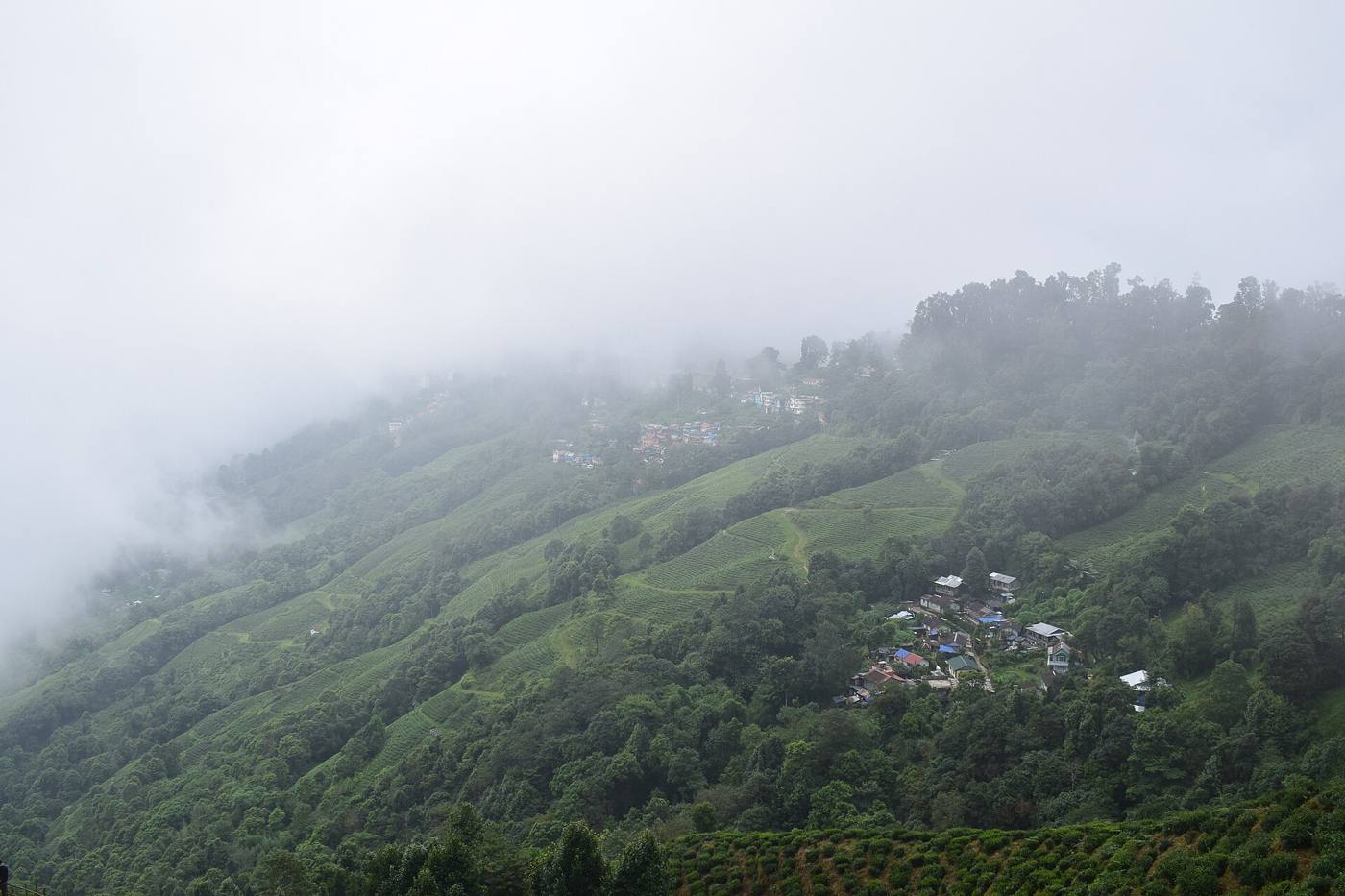
Tea bushes here grow at altitudes of roughly 600–2,000 m, in cool, misty conditions that slow growth and concentrate flavour. Most estates grow the small-leaved China variety (Camellia sinensis var. sinensis), first introduced in the 1840s. Only tea grown in about 87 registered gardens in the Darjeeling hills can carry the name, protected since 2004 by India's first Geographical Indication.
The flushes
| Flush | When | Character |
|---|---|---|
| First flush | March–April | Light, bright, floral and green-tinged; the most prized |
| Second flush | May–June | Fuller-bodied with the famous 'muscatel' grape note |
| Monsoon flush | July–September | Stronger, darker; often used in blends |
| Autumn flush | October–November | Mellow, smooth and coppery |
Visiting a tea estate
Happy Valley Tea Estate, a short walk from town, offers factory tours. Further afield, many estates around Kurseong, Mirik and the Rangeet Valley welcome visitors, and some, such as Glenburn and Makaibari, offer luxury bungalows or homestays among the bushes. Plucking takes place from March to November; factories are busiest in the morning.
Buying tea
- Buy loose-leaf from estates or established tea merchants rather than street stalls.
- Look for the official Darjeeling logo and the estate name, flush and grade (e.g. SFTGFOP1).
- Store in an airtight tin away from light; drink within a year.
- Brew with water just off the boil (about 90°C) for 3–4 minutes, without milk.
Places to experience it
Stories & guides

Kalej Valley: The Tea Valley Named After a Pheasant
Below Hill Cart Road between Ghum and Sonada, a side road from Rangbull drops into Kalej Valley, a tea valley that…
November 2024
Darjeeling Tea Flushes Explained: First Flush, Second Flush and Beyond
Darjeeling tea changes with the seasons. Understanding the four flushes is the key to choosing a tea you will love…
August 2024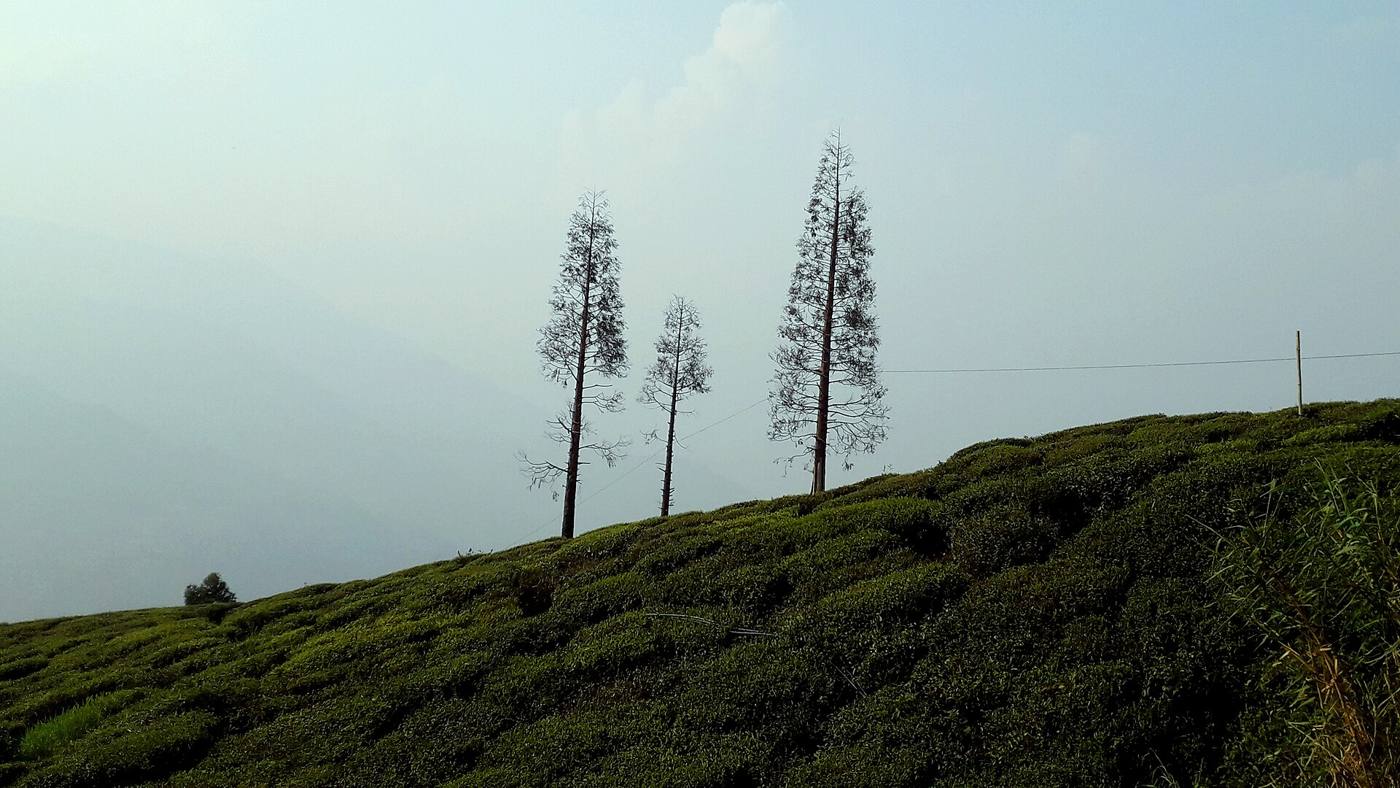
Mim Tea Garden: A Quiet Estate near Sukhia Pokhari
Tucked into the forested ridges west of Ghum, Mim is a small, unhurried tea estate where the main sounds are birdsong…
August 2024Keep exploring
Food & Drink
Steaming momos, warming thukpa, fiery pickles and the world's most celebrated tea. Darjeeling is a delicious p…
How to Book Darjeeling Toy Train Rides
A step-by-step guide to booking the Darjeeling Himalayan Railway joy ride and the full New Jalpaiguri–Darjeeli…
Treks & Adventure
Ridge walks with views of Everest, forest trails full of birds, white-water on the Teesta. The hills are made …