
What to Eat in Darjeeling: From Momos to Dhido
Darjeeling's kitchen draws on Nepali, Tibetan, Lepcha and Bhutia traditions, with a dash of colonial-era baking. These are the dishes to seek out, and what to expect when you order them.
A plate shaped by the hills
Food in the Darjeeling hills reflects the people who live here: Nepali-speaking Gorkha communities form the majority, alongside Tibetan, Lepcha, Bhutia and Bengali residents. The result is a menu where dumplings and noodle soups sit beside rice, lentils and fermented greens, and where almost everything comes with a chilli pickle. For the traditions behind the food, see our companion piece on Darjeeling's food culture; this guide focuses on what to order.
Tibetan-style favourites
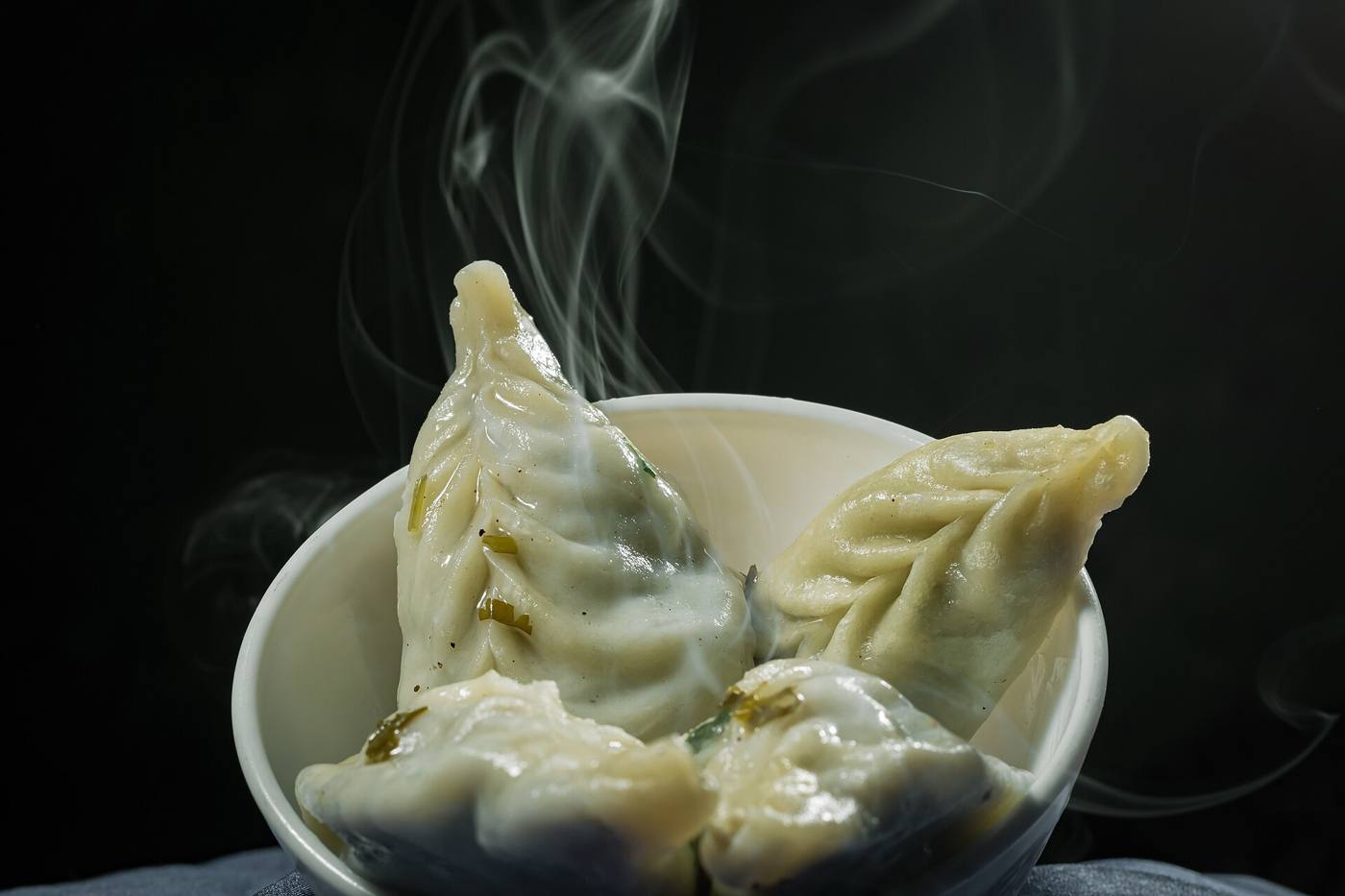
Momos
Darjeeling's signature snack: thin wheat-flour wrappers filled with minced pork, chicken, buff (water buffalo), cheese or vegetables, usually steamed and served with a clear soup and a red chilli-tomato chutney. Try them fried, or as jhol momo, swimming in a spiced, sesame-tinged broth.
Thukpa
A hearty bowl of noodles in broth with vegetables and meat or egg, ideal on a cold, misty evening. Thenthuk is a related soup with hand-pulled, flat noodle pieces.
Shaphaley
Half-moon pastries stuffed with seasoned minced meat or vegetables and fried until crisp. A filling snack sold in small Tibetan eateries.
Tingmo and shapta
Tingmo is a soft, coiled steamed bun. It is the classic partner for shapta, thinly sliced meat stir-fried with chilli, onion and tomato.
Laphing
Slippery strips of mung-bean or wheat starch jelly, dressed with chilli oil, garlic and soy. A spicy street snack popular with students.
Nepali home cooking
Dal bhat
Rice and lentil soup with seasonal vegetable curry, a meat or fish curry, greens and pickle. Look for a Nepali thali in local eateries.
Dhido
A thick, stiff porridge made by stirring flour (traditionally buckwheat or millet, often maize today) into boiling water. Pinch off a small piece with your fingers, dip it in gundruk soup, dal or meat curry and swallow. Hearty, rustic and rarely found on tourist menus, so ask for it.
Gundruk
Leaves of mustard, radish or cauliflower, wilted, packed and fermented, then sun-dried. Gundruk is cooked into a tangy soup or pickle and is a classic partner for dhido and rice.
Kinema
Sticky fermented soybeans with a pungent, savoury aroma, cooked as a curry with onion, tomato and chilli. An acquired taste, and a true local staple.
Churpi
Soft churpi, a fresh cottage-style cheese, goes into curries, soups and a sharp chilli pickle. Hard churpi is a rock-hard dried cheese chewed slowly for hours, sold in strings in the bazaar.
Sel roti
A sweet, ring-shaped fried bread made from rice flour batter, crisp outside and soft inside. Made in large batches for Dashain and Tihar, and sold at some tea stalls year-round.
Street snacks and small plates
- Aloo dum: spicy potato curry served in leaf bowls or with bread, a favourite stall snack around Chowk Bazaar and Chowrasta.
- Bhatmas sadeko: roasted soybeans tossed with onion, chilli, tomato and mustard oil, eaten with drinks.
- Wai wai: Nepali instant noodles, eaten dry as a crunchy snack or cooked into soup, a staple of hill childhoods.
- Phaley and shaphaley: deep-fried meat breads sold in the Main Bazaar area.
- Momo chilli and chilli pork: Indo-Chinese-style dishes found in most local restaurants.
Heat and pickles
No hill meal is complete without achar, a pickle made from radish, tomato, bamboo shoot, churpi or chilli. The prized dalle khursani, a small round cherry-shaped chilli grown in the Darjeeling and Sikkim hills, is fiercely hot; treat it with respect. If you prefer milder food, ask for chutney on the side.
Drinks to go with it
Darjeeling tea is everywhere, though many locals drink sweet milky tea at home. Tibetan butter tea, salted and churned with butter, is an acquired taste. Tongba, warm millet beer sipped through a bamboo straw, is the traditional drink of the Limbu community; see our tongba guide for more.
Tips for eating well
- Eat where locals queue: small momo shops often turn over fresh batches every few minutes.
- Buff refers to water-buffalo meat; pork is widely eaten in the hills, so ask if you have dietary restrictions.
- Vegetarians are well served, with veg momos, thukpa, dal bhat and paneer or churpi dishes.
- Choose freshly cooked, hot food and bottled or filtered water.
- Menus and prices change frequently; check on arrival.
Frequently asked questions
What is the most famous food in Darjeeling?
Momos, followed closely by thukpa. Both came to the hills through Tibetan influence and are now eaten by every community.
What is dhido made from?
Traditionally buckwheat or millet flour, cooked to a thick, stiff consistency with water. Maize flour is now also common.
Is Darjeeling food very spicy?
Main dishes are usually moderately spiced, but the chutneys and pickles, especially those made with dalle khursani chilli, can be very hot.
Where can I try Nepali home cooking?
Small local eateries in the bazaar and homestays in villages around Darjeeling are the best places for dal bhat, gundruk, kinema and dhido.
Plan your visit
Food & Drink
Steaming momos, warming thukpa, fiery pickles and the world's most celebrated tea. Darjeeling is a delicious…

Darjeeling's Food Culture: Communities, Festivals and the Art of Fermentation
To understand Darjeeling's food, look beyond the menu: at the communities who cook it, the seasons that shape it and…
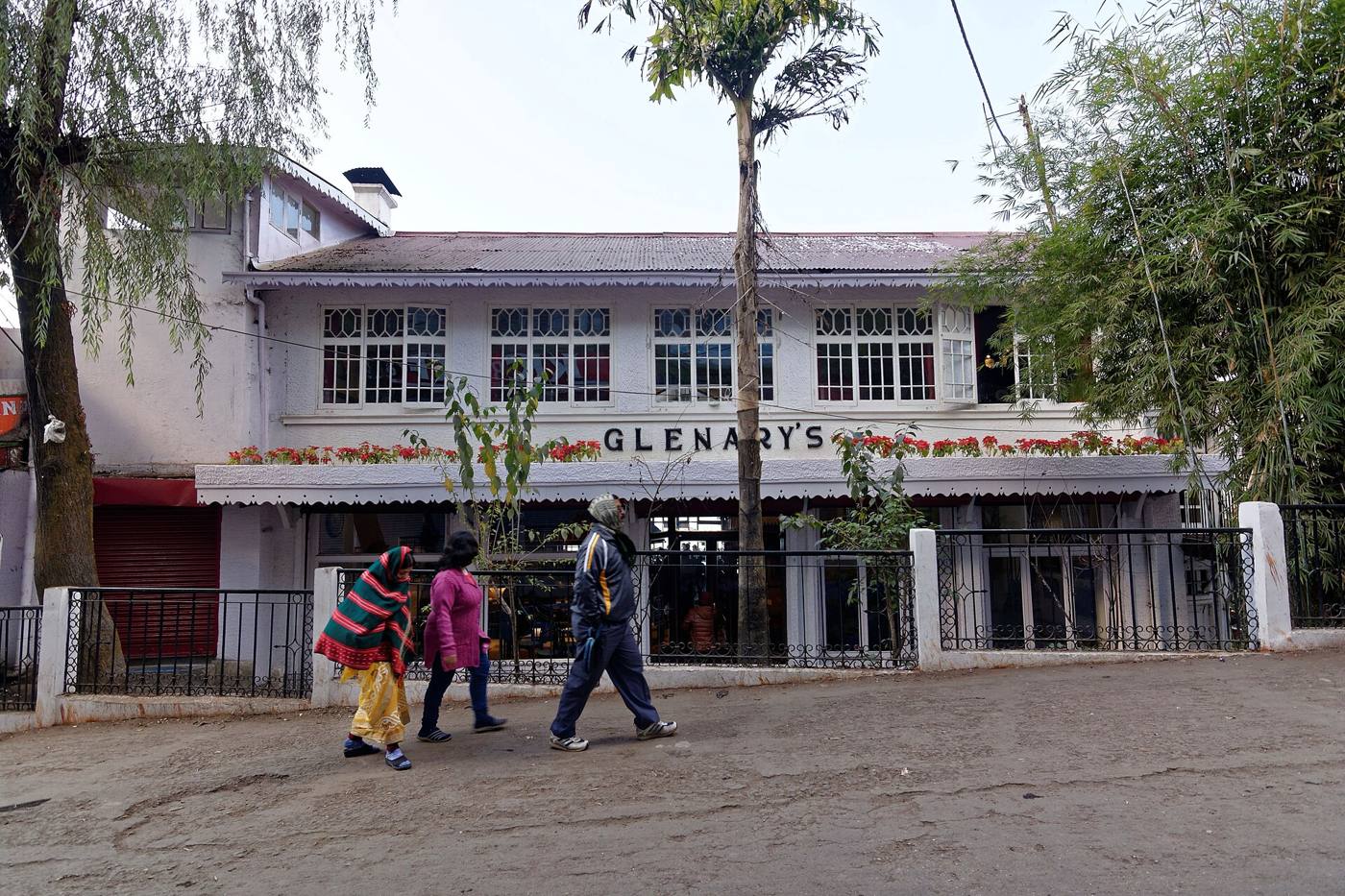
Where to Eat in Darjeeling: Heritage Cafés and Tibetan Kitchens
Darjeeling's best-loved places to eat are mostly small, old and within a short walk of Chowrasta. These…
October 2024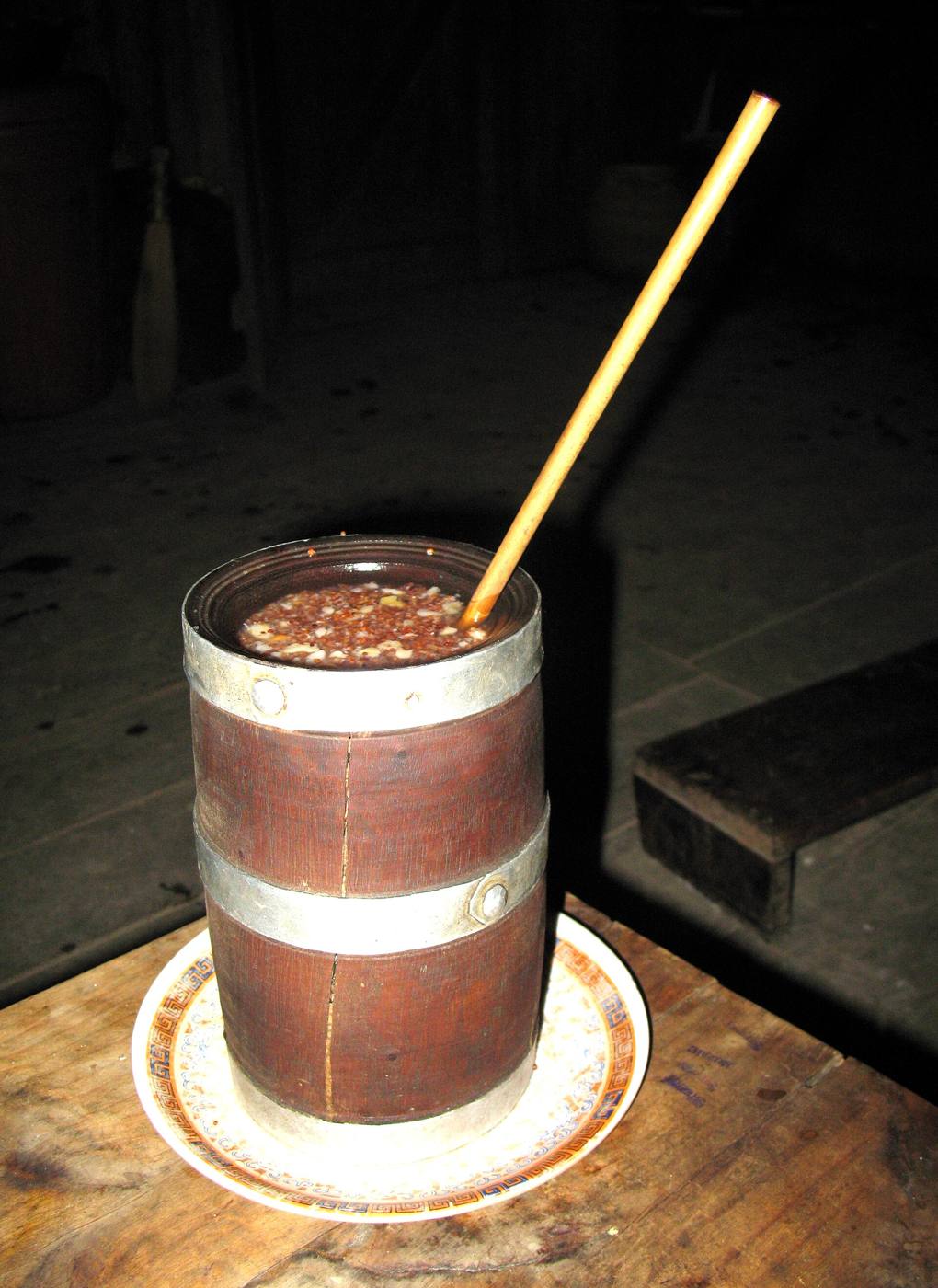
Tongba: The Limbu Millet Brew Worth Trying in Darjeeling
Served in a bamboo vessel and topped up with hot water as you drink, tongba is the traditional millet brew of the Limbu…
April 2025Culture & People
A Himalayan crossroads where Nepali, Lepcha, Tibetan, Bhutia and colonial influences meet, and where prayer…