

When to Visit Darjeeling: Seasons, Weather and a Month-by-Month Guide
Darjeeling is a year-round destination, but each season offers something different. Clear Himalayan views, tea harvests, festivals and crowds all follow the calendar, so the right month depends on what you most want to see.
Darjeeling's climate at a glance
At about 2,045 metres, Darjeeling has a cool, temperate mountain climate. Summers are mild rather than hot, winters are cold but usually dry and sunny, and the town receives the bulk of its considerable annual rainfall during the south-west monsoon between June and September.
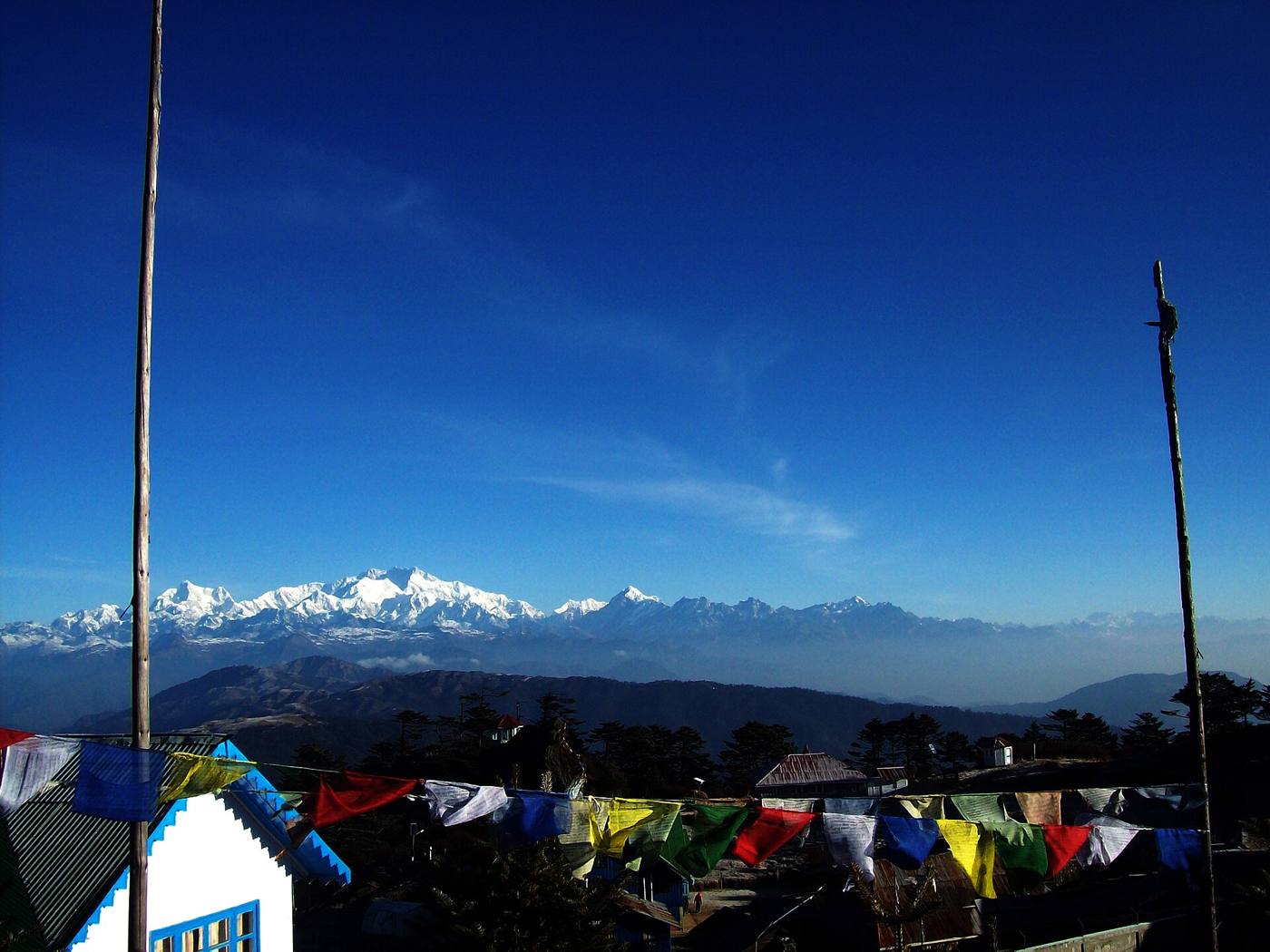
The most important factor for many visitors is visibility. Kangchenjunga, the world's third-highest mountain, dominates the northern skyline, but it is often hidden by haze or cloud. The crisp, dry air after the monsoon gives the best chance of clear views, while spring brings flowers and tea but more haze.
Month by month
Temperatures are approximate long-term averages for Darjeeling town. Tiger Hill and Sandakphu are considerably colder, and actual weather varies from year to year.
| Month | Typical day / night (°C) | Rain | What to expect |
|---|---|---|---|
| January | about 11 / 2 | Very little | Coldest month; clear, frosty mornings; quiet town; occasional chance of snow on higher ridges |
| February | about 12 / 3 | Very little | Still cold, good views; Losar (Tibetan New Year) often falls in February or March |
| March | about 16 / 6 | Light | Warming up; first-flush tea plucking begins; rhododendrons start to bloom at altitude |
| April | about 19 / 9 | Some showers | Pleasant days, first-flush season, trekking season on the Singalila Ridge; haze increasing |
| May | about 19 / 11 | Pre-monsoon storms | Peak domestic holiday season; second-flush tea begins; busy and pricier |
| June | about 20 / 13 | Heavy | Monsoon arrives; lush and misty; mountain views rare; school-holiday crowds early in the month |
| July | about 20 / 13 | Wettest month | Constant mist and rain; landslide risk; very few foreign visitors; lowest prices |
| August | about 20 / 14 | Heavy | Monsoon continues; green tea gardens; check road conditions daily |
| September | about 20 / 13 | Heavy, easing late | Rain tapers off towards month-end; skies start to clear |
| October | about 19 / 10 | Light | Clear, fresh air and superb views; Durga Puja and Dashain bring festive crowds |
| November | about 17 / 6 | Almost none | Arguably the best month: dry, sunny and clear; Tihar; autumn-flush tea |
| December | about 14 / 4 | Almost none | Cold, crisp and clear; Christmas celebrations; busy around the year-end holidays |
Spring (March to May)
Spring is when Darjeeling feels most alive. The tea bushes push out their first tender leaves, and the prized first-flush teas are plucked from around March. Magnolias and rhododendrons bloom in the forests around Tiger Hill and along the Singalila Ridge, making April and early May a favourite time for the trek to Sandakphu.
The trade-off is haze. Mountain views are often softened or hidden by midday, so plan sunrise outings for early in your stay and keep an eye on the sky. May coincides with Indian school holidays, so hotels and Toy Train services fill quickly.
Monsoon (June to September)
The monsoon transforms Darjeeling into a world of cloud, moss and dripping forest. July is typically the wettest month, with rain on most days. This is the quietest and cheapest season, and the tea gardens are at their greenest, but landslides can close roads and occasionally disrupt the Toy Train.
If you do travel in the monsoon, keep plans flexible, leave a buffer day before flights and read our dedicated guide to Darjeeling in the monsoon.
Autumn (October and November)
For most international visitors, autumn is the sweet spot. The rains wash the air clean, and the chances of seeing Kangchenjunga from Tiger Hill, the Mall and Observatory Hill are at their best. Days are sunny and comfortable, nights are chilly, and the trekking season on the Singalila Ridge resumes.
Autumn is also festival season. Durga Puja and Dashain usually fall in late September or October, and Tihar (the Nepali festival of lights) follows a few weeks later. These are joyful times to visit, but domestic tourism peaks too, so book transport and accommodation well ahead.
Winter (December to February)
Winter brings cold nights, frosty mornings and some of the clearest skies of the year. The town is quieter outside the Christmas and New Year rush, and hotels often discount rooms. Snow in Darjeeling town itself is occasional rather than reliable, but higher points such as Sandakphu usually receive snow during the winter or early spring.
Pack properly: many hotels lack central heating, so ask about room heaters and electric blankets. See our guide to Darjeeling in winter for more.
Choosing your season
- Best for mountain views: mid-October to December.
- Best for tea lovers: March–April for first flush; May–June for second flush; October–November for autumn flush.
- Best for trekking to Sandakphu: April–May for rhododendrons; October–November for clear views.
- Best for festivals: October and November (Durga Puja, Dashain, Tihar); February or March for Losar.
- Best for budgets and solitude: July and August, if you can accept rain and possible disruption.
- Busiest: May–June, Durga Puja week and the last week of December.
Frequently asked questions
What is the single best month to visit Darjeeling?
November is hard to beat: it is dry, sunny and usually clear, with good mountain views and fewer crowds than October.
Can I see Kangchenjunga in summer?
Sometimes, early in the morning, but haze and cloud often hide it from April onwards and views are rare during the monsoon.
Does it snow in Darjeeling?
Only occasionally in the town itself, and not every year. Higher points such as Sandakphu and Phalut receive snow far more often.
Is the monsoon a bad time to visit?
Not necessarily. It is quiet, green and atmospheric, but rain is frequent and landslides can disrupt travel, so keep your plans flexible.
How cold does Darjeeling get?
In January, nights average around 2°C and days around 11°C. Tiger Hill at dawn can be below freezing.
Plan your visit
Plan Your Trip
Everything international travellers need to know: visas, permits, getting here, getting around, weather…

Darjeeling in the Monsoon: Mist, Tea Gardens and How to Travel Safely
From June to September, Darjeeling disappears into cloud. The monsoon brings emerald tea gardens, waterfalls and empty…
July 2024
Darjeeling in Winter: 10 Reasons to Visit in the Cold Season
Winter in Darjeeling means cold nights, bright blue mornings and some of the clearest Himalayan views of the year. Snow…
October 2024Festivals & Events
With Hindu, Buddhist, Christian and Lepcha calendars all in play, there's almost always something to…
Sandakphu & Singalila National Park
See four of the world's five highest peaks from one ridge
Darjeeling Tea
The 'Champagne of Teas' grows on some of the steepest slopes on Earth. Walk the gardens, meet the makers and…
More travel planning

15 Things to Do in Darjeeling: A Traveller's Guide
Beyond the famous sunrise, Darjeeling rewards curious travellers with tea, trains, monasteries, mountain food and walks…
August 2025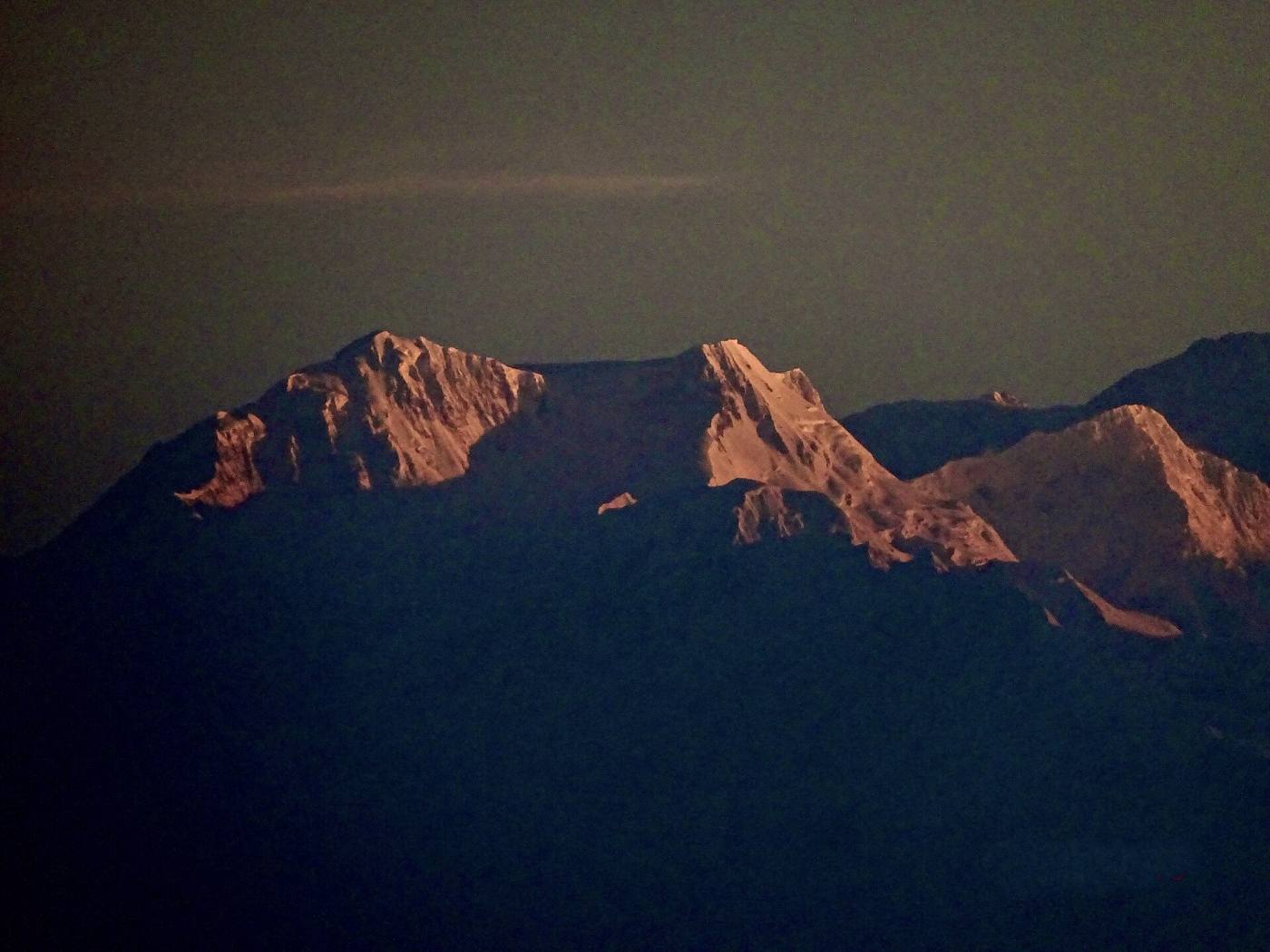
Darjeeling's Top 5 Must-See Attractions
Short on time? These five classics capture the essence of Darjeeling: Himalayan sunrise, a world-heritage railway…
July 2024
Discovering Darjeeling, the Queen of the Hills
Strung along a ridge above deep valleys, with Kangchenjunga on the horizon, Darjeeling has welcomed travellers for…