

Palmajua: A Green Valley Retreat on the Edge of Singalila
Below the Singalila Ridge, where the road from Manebhanjan winds down towards Rimbik, Palmajua is a small, green village of farms and forest, made for birdwatching, river walks and doing very little.
Overview
Palmajua lies on the edge of Singalila National Park, a few kilometres below Dhotrey on the tarred road that links Manebhanjan with Rimbik and the northern Singalila trailheads. At around 2,200 metres it is noticeably milder than the ridge above, and its slopes are a patchwork of terraced fields and mixed forest running down to the Lodhoma river.
Where neighbouring Dhotrey is about getting up onto the ridge, Palmajua is about the valley. It suits travellers looking for a quiet rural stay, birders, and trekkers winding down after Sandakphu.
What makes it special
Palmajua's appeal is peace and nature. The forests around the village are rich in birds, and visitors frequently report species such as the common green magpie, scarlet minivet and crested kingfisher near the river at Momokhola. Red panda and pangolin live in the wider park, though they are seldom seen. A short walk from the village brings Kangchenjunga into view on clear days.
Things to do
- Walk down to Momokhola, about 2 km away, where a bridge crosses the Lodhoma river; a good spot for a riverside picnic and birding.
- Hike up to Dhotrey (about 5 km) for wider views and the forest trail to Tonglu.
- Walk the old path to Rimbik via Barahatta, about 18 km and a long day on foot.
- Take a day trip to Srikhola, Rimbik or the Rammam area for river and forest scenery.
- Spend evenings with your hosts around a fire, sampling home-cooked Nepali food.
How to get there
From Darjeeling, drive via Ghum and Sukhiapokhri to Manebhanjan, then continue on the Rimbik road through Batasi and Dhotrey to Palmajua; the road is tarred and suitable for ordinary cars, although an SUV is more comfortable. Total driving time is roughly two and a half hours.
From New Jalpaiguri or Bagdogra, travel via Mirik or Ghum to Manebhanjan, around four and a half hours, then a further hour to Palmajua. Shared jeeps run between Darjeeling or Siliguri and Rimbik and pass through the village, though seats should be booked early in the day.
Where to stay
Palmajua has a handful of homestays and small family-run lodges, some set in large gardens with fireplaces for winter evenings. Meals are usually included and often use vegetables from the kitchen garden. Rooms are simple, and the number of beds is small, so book in advance for weekends and holiday periods.
Best time to visit
- October to December: clear air and the best chance of mountain views.
- March to May: spring flowers and active birdlife.
- December to February: cold but pleasant days; fireplaces make the evenings.
- June to September: lush but wet, with leeches on forest paths and possible road disruption.
Practical tips
- Palmajua is outside the national park's core, so no park permit is needed to stay; you will need one for trails onto the ridge.
- Bring binoculars and a field guide; this is one of the better birding bases near Darjeeling.
- Carry cash and basic medicines; facilities are limited.
- Combine it with Dhotrey for a two-village stay, or use it as a rest stop after the Sandakphu trek via Rimbik.
A slow two-night stay
Palmajua rewards an unhurried visit. On the first afternoon, settle in and walk the village lanes as the light fades over the valley. The next morning, set out at dawn for the walk down to Momokhola, when birds are most active, and spend the day by the Lodhoma river or exploring the forest edges with a local guide.
On the second day, drive or walk up to Dhotrey for sunrise and a view of the Kangchenjunga range, or head the other way towards Rimbik and Srikhola. Trekkers finishing the Sandakphu route at Rimbik can also add a night in Palmajua on the way back to Darjeeling, a restful end before the long road to the plains.
Frequently asked questions
How far is Palmajua from Manebhanjan?
About 25 km by road, roughly an hour by car via Dhotrey.
Can I see Kangchenjunga from Palmajua?
Not from every house. A short walk to an open viewpoint brings the range into view on clear days.
Is Palmajua inside Singalila National Park?
It lies on the edge of the park rather than within its core area, so no permit is needed simply to stay.
Is Palmajua good for birdwatching?
Yes. The mixed forest and river valley attract a wide variety of Himalayan birds, best seen in spring and autumn mornings.
Plan your visit
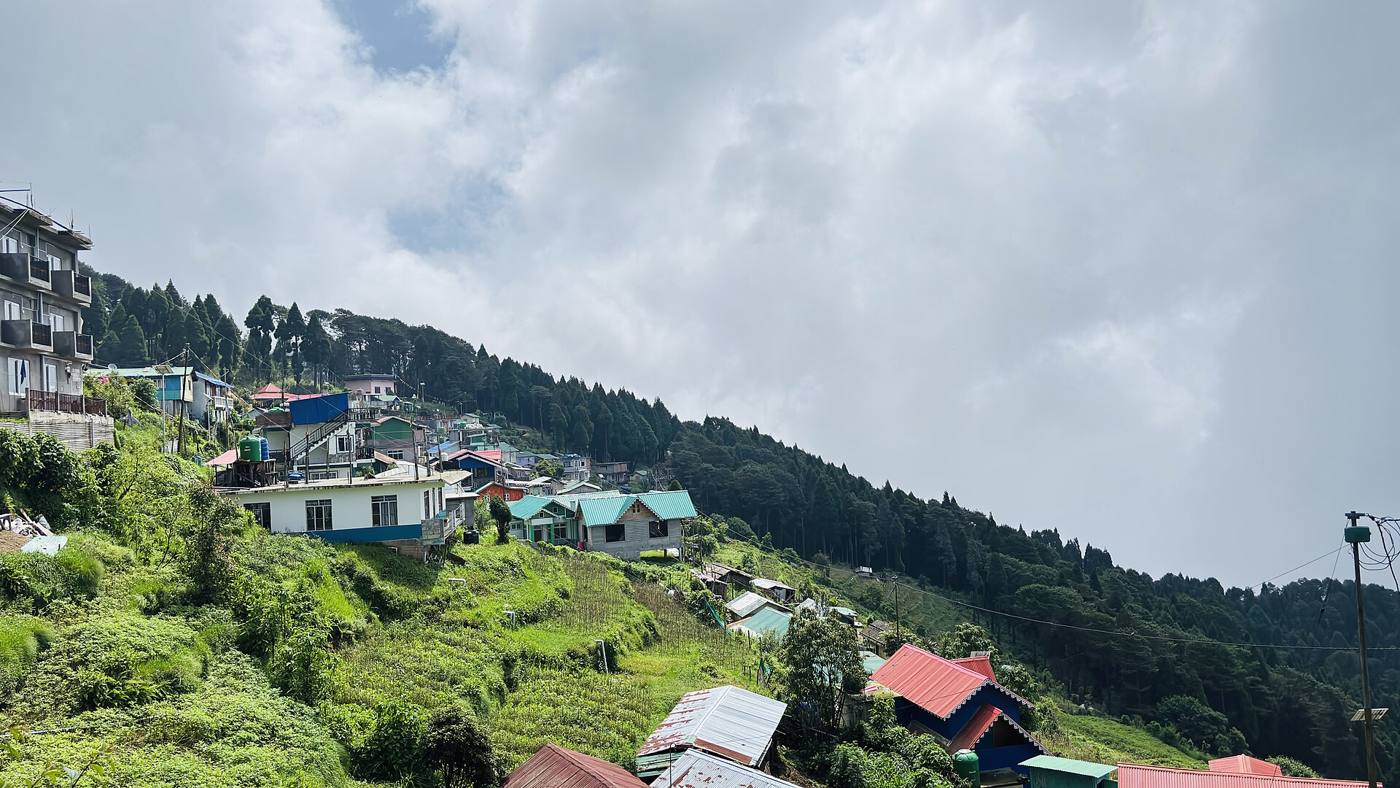
Dhotrey: A Forest Village and the Quiet Way onto the Singalila Ridge
Surrounded by pine and broadleaf forest in the buffer zone of Singalila National Park, Dhotrey is a small village for…
September 2024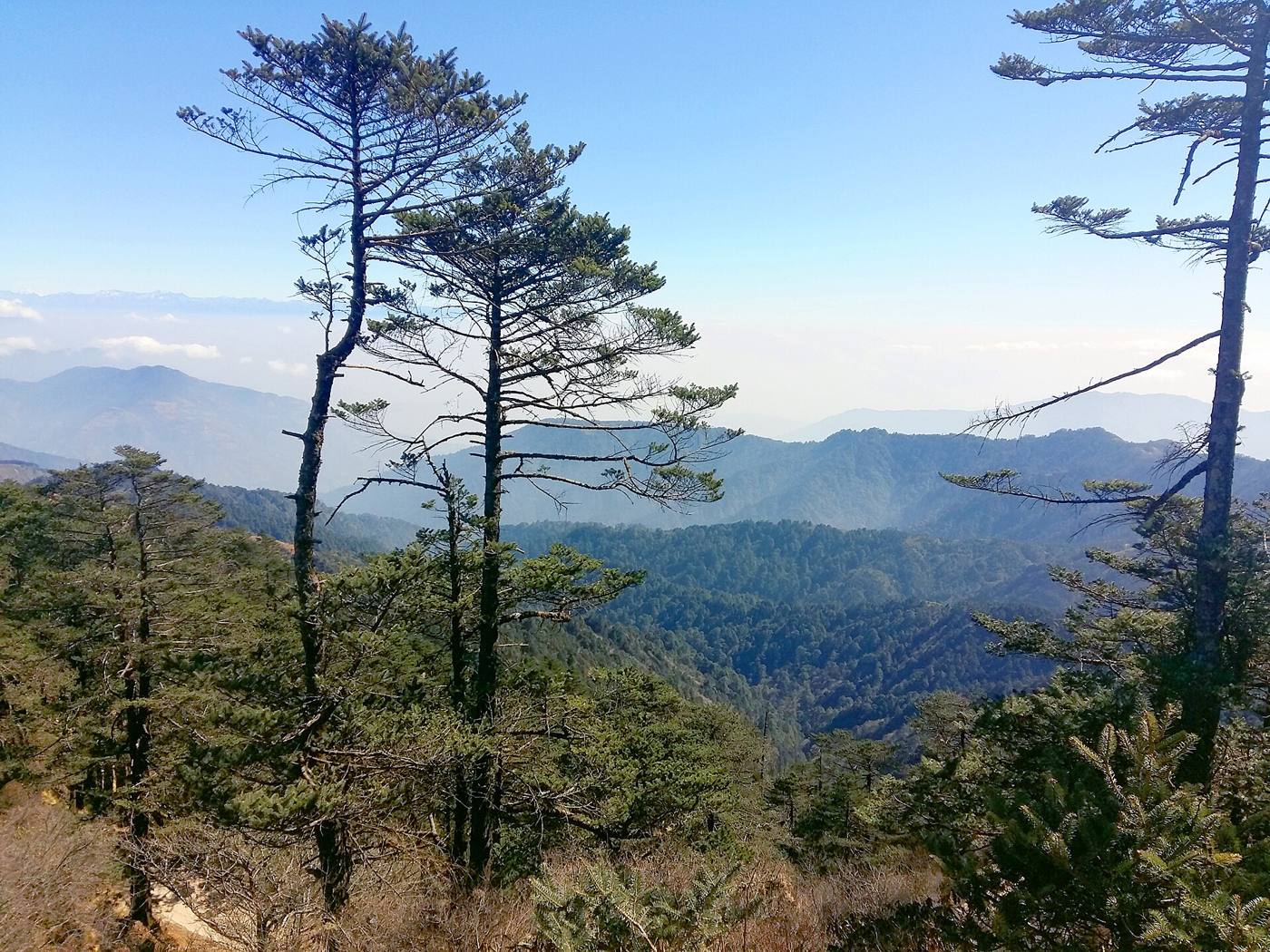
Singalila National Park: The Complete Guide to Darjeeling's High Ridge
Running along the India–Nepal border west of Darjeeling, Singalila National Park protects the high Singalila Ridge…
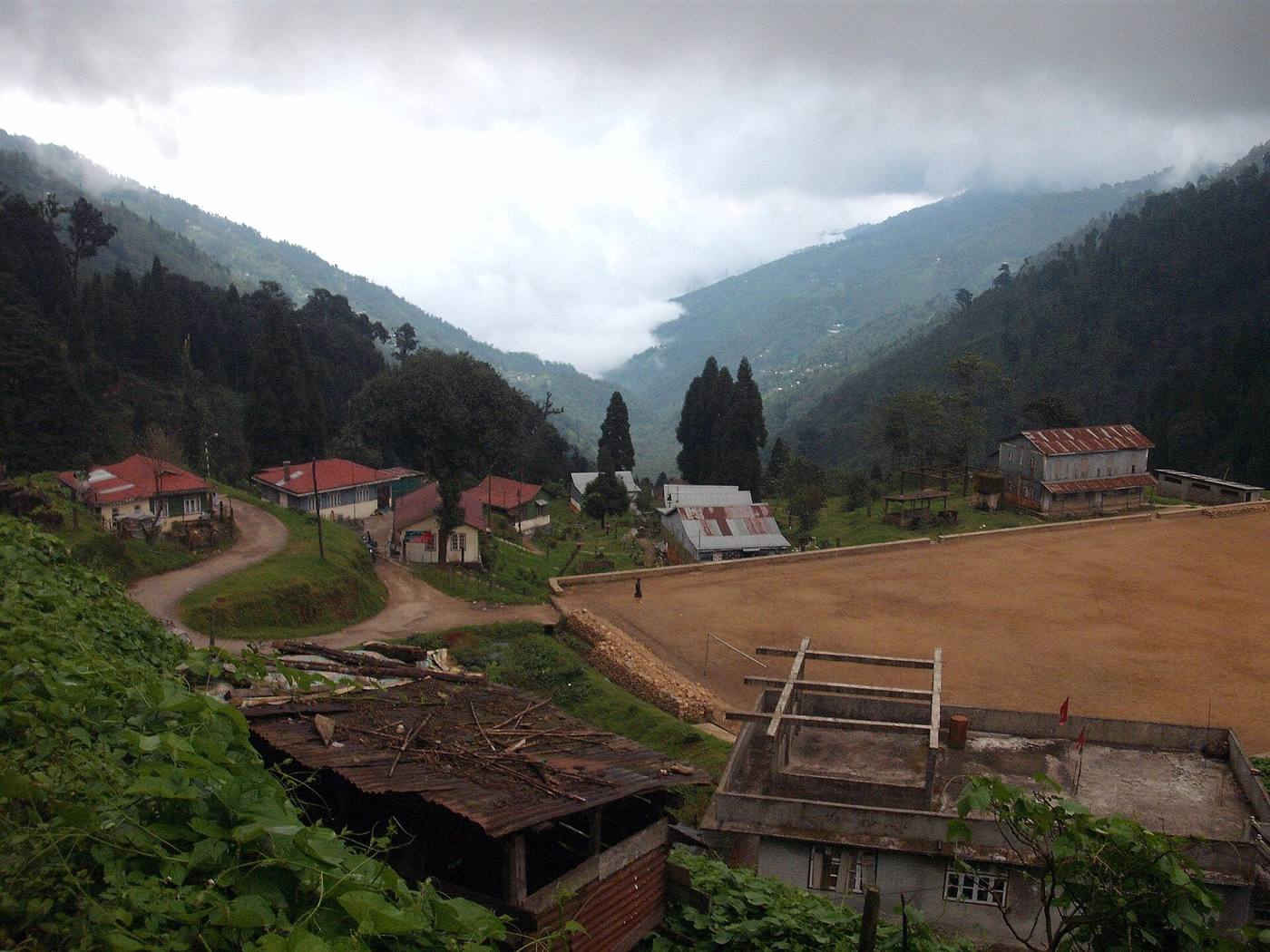
Manebhanjan: The Border Town at the Start of the Sandakphu Road
A busy little bazaar on the India–Nepal border, Manebhanjan is where every Singalila journey begins: permits are…
September 2024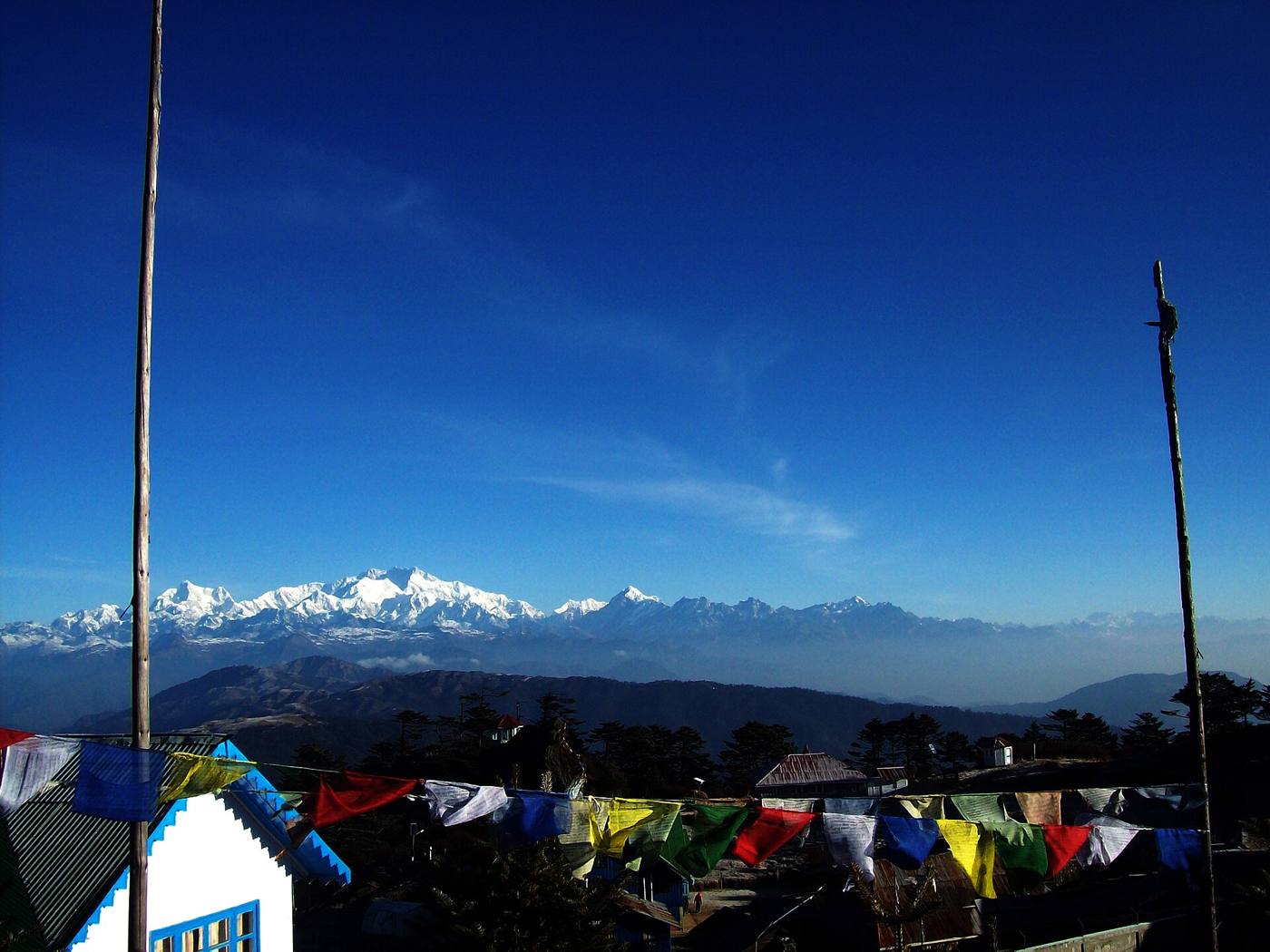
Sandakphu & Singalila National Park
See four of the world's five highest peaks from one ridge
Sandakphu: Trekking to the Roof of West Bengal
At about 3,636 metres, Sandakphu is the highest point in West Bengal and one of the few places on earth where four of…
September 2024More treks & singalila
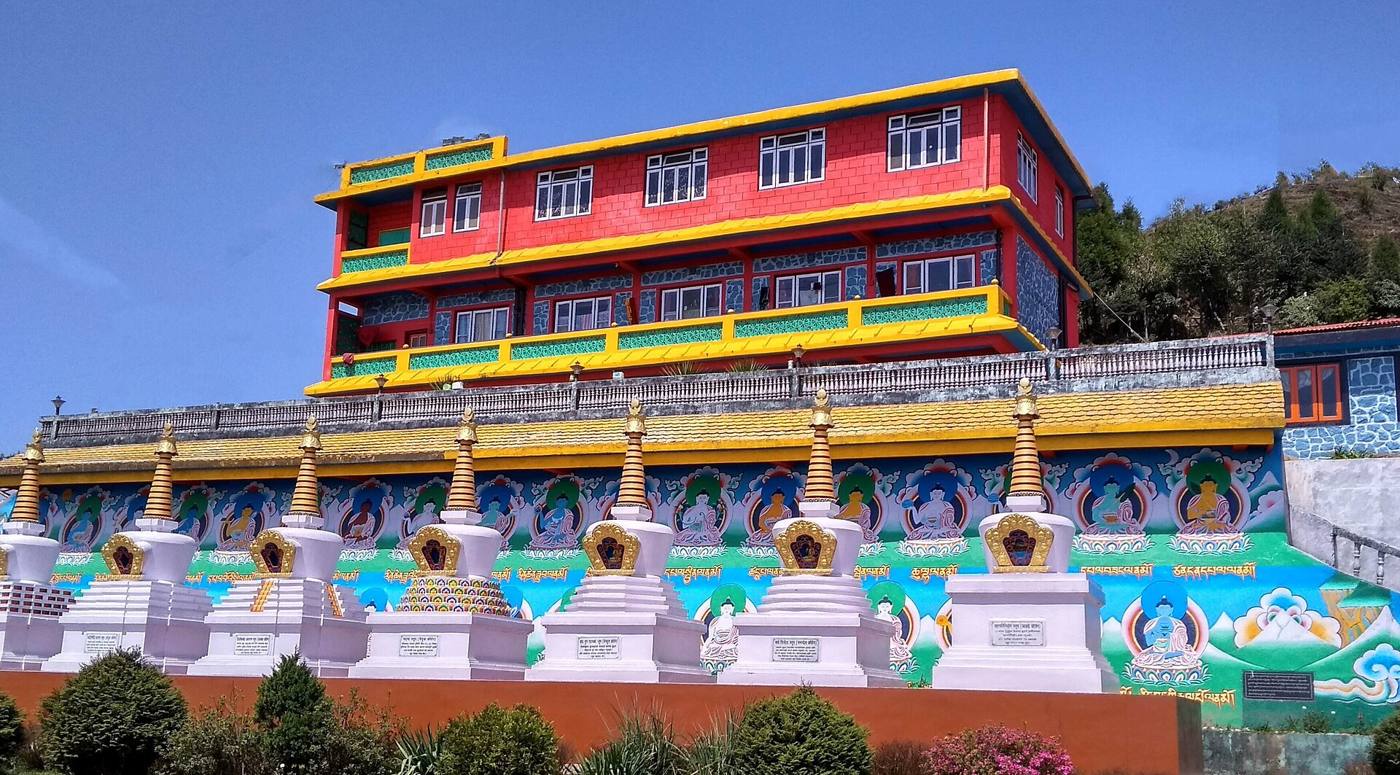
Chitrey: The Monastery Village on the First Climb to Sandakphu
Three steep kilometres above Manebhanjan, Chitrey is where the Singalila ridge first opens up: a whitewashed monastery…
September 2024
Gurdum: A Forest Hamlet on the Trail Down From Sandakphu
Below the bare summit of Sandakphu, the trail plunges into dense forest and reaches Gurdum, a handful of homes in a…
September 2024Samanden: The Roadless Valley Below Phalut
No road reaches Samanden. This small farming hamlet on a pine-fringed plateau near Gorkhey, in the far north of the…
September 2024